
Expanding the Maritime Talent Pipeline
By Jacob King, C-4 Impact
Why Industry Must Think Beyond the Coast and Take an Active Role in Student Exposure
For decades, conversations about maritime workforce development have followed a familiar pattern. When employers, policymakers, and educators think about building talent pipelines, they picture coastal shipyards, deep-water ports, marine academies, and training programs located within sight of the ocean. That framework made sense for a long time. Maritime activity was most visible along the coast, and workforce infrastructure naturally developed around major ports and shipbuilding centers. As a result, the public image of the maritime industry became tightly linked to saltwater, ships, and coastal communities.

Columbia River. Photo by SquareSpace.
However, the maritime industry of today no longer fits neatly into that coastal-only definition. The geography of maritime work has expanded and so has the geography of the talent required to sustain it. Inland regions now play a critical role in maritime energy production, vessel and component manufacturing, logistics, and environmental stewardship. At the same time, students in these regions are developing technical skills that align directly with maritime careers often without ever hearing the word maritime used to describe their future.
This disconnect presents both a challenge and an opportunity. The challenge is clear: employers struggle to fill skilled positions while students overlook viable, well-paying careers that exist close to home. The opportunity lies in rethinking how the maritime industry engages with education, particularly in regions that are not traditionally considered maritime hubs. Bridging this gap requires industry to take a more active role in student exposure, awareness, and career connection.
The Inland Reality of the Maritime Industry
Maritime’s geographic expansion allows the industry to compete in a broader talent landscape, specifically in non-coastal cities. Inland waterways, like rivers, move bulk goods just as reliably as highways and railroads. Locks, dams, and ports support domestic trade, energy production, and national supply chains. Hydropower facilities generate electricity that supports maritime operations far beyond their physical location, while inland manufacturers build vessels, trailers, electronics, structural components, and specialized equipment used around the world.
Despite this reality, maritime identity remains largely coastal in the public imagination. Students living far from the ocean often assume that maritime careers require relocation or time at sea, even when many of those careers depend on infrastructure operating in their own region. Educators may hesitate to talk about maritime options because local employers are not visibly engaged, or because the term maritime does not seem to match the programs they offer.
This misalignment between perception and reality creates lost opportunities on both sides. Employers miss out on capable, motivated talent. Students miss pathways into stable, technical careers tied to national infrastructure and long-term economic demand.
Talent Is Already Being Developed Inland
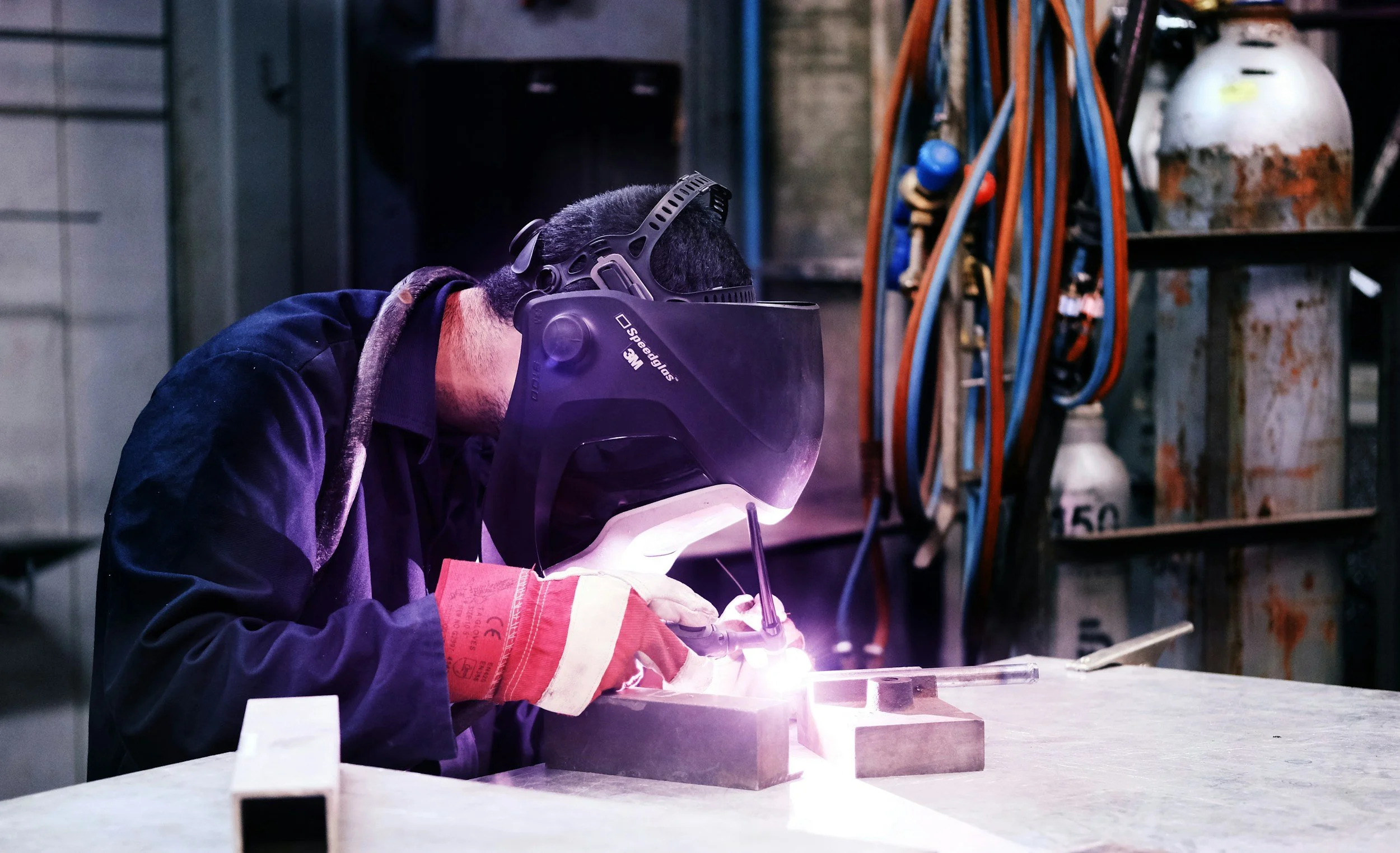
Across the country, high schools, community colleges, and career and technical education centers are producing students with strong hands-on technical skills. These students are learning to weld complex assemblies, wire industrial systems, troubleshoot electrical faults, operate precision machinery, and understand the fundamentals of power generation, controls, and mechanical systems. In many cases, these skills are taught using industry-aligned standards and modern equipment, preparing students to transition directly into the workforce.
Welding programs train students in structural and aluminum welding, MIG and TIG processes, blueprint reading, inspection techniques, and safety practices. Electrical and controls programs focus on industrial wiring, power distribution, instrumentation, programmable logic controllers, automation, and systematic troubleshooting. Mechanical and energy programs introduce students to turbines, generators, pumps, hydraulics, monitoring systems, and preventative maintenance.
These skill sets align directly with maritime roles in vessel construction and repair, hydropower facilities, port infrastructure, marine electronics, equipment manufacturing, and logistics support. The issue is not capability. The issue is awareness. Too often, students and educators do not connect these technical skills with maritime careers because no one has helped them build that bridge.
Why Industry Engagement Matters
Educators depend on industry to provide real-world context for how classroom instruction connects to actual careers in their local economy. Without that insight, students graduate with valuable skills but lack a clear understanding of where those skills can lead. They may limit their job searches to the few employers they know in their immediate area or default to industries that have been more Blog & Industry News visible or proactive in recruitment.
Students want options. They want to understand how their interests and abilities translate into real work, long-term growth, and economic stability. When maritime employers remain absent from classrooms and campuses, students rarely discover these opportunities on their own.
For industry, the cost of disengagement is significant. Employers who struggle to fill skilled positions often focus on short-term solutions such as poaching talent, increasing overtime, or lowering experience requirements, rather than addressing the root cause. Industry partners who engage early and consistently benefit from broader talent pipelines, stronger alignment between education and workforce needs, improved retention, and lower training costs. More importantly, they shift from reacting to workforce shortages to planning for long-term sustainability.
Thinking Creatively About Engagement
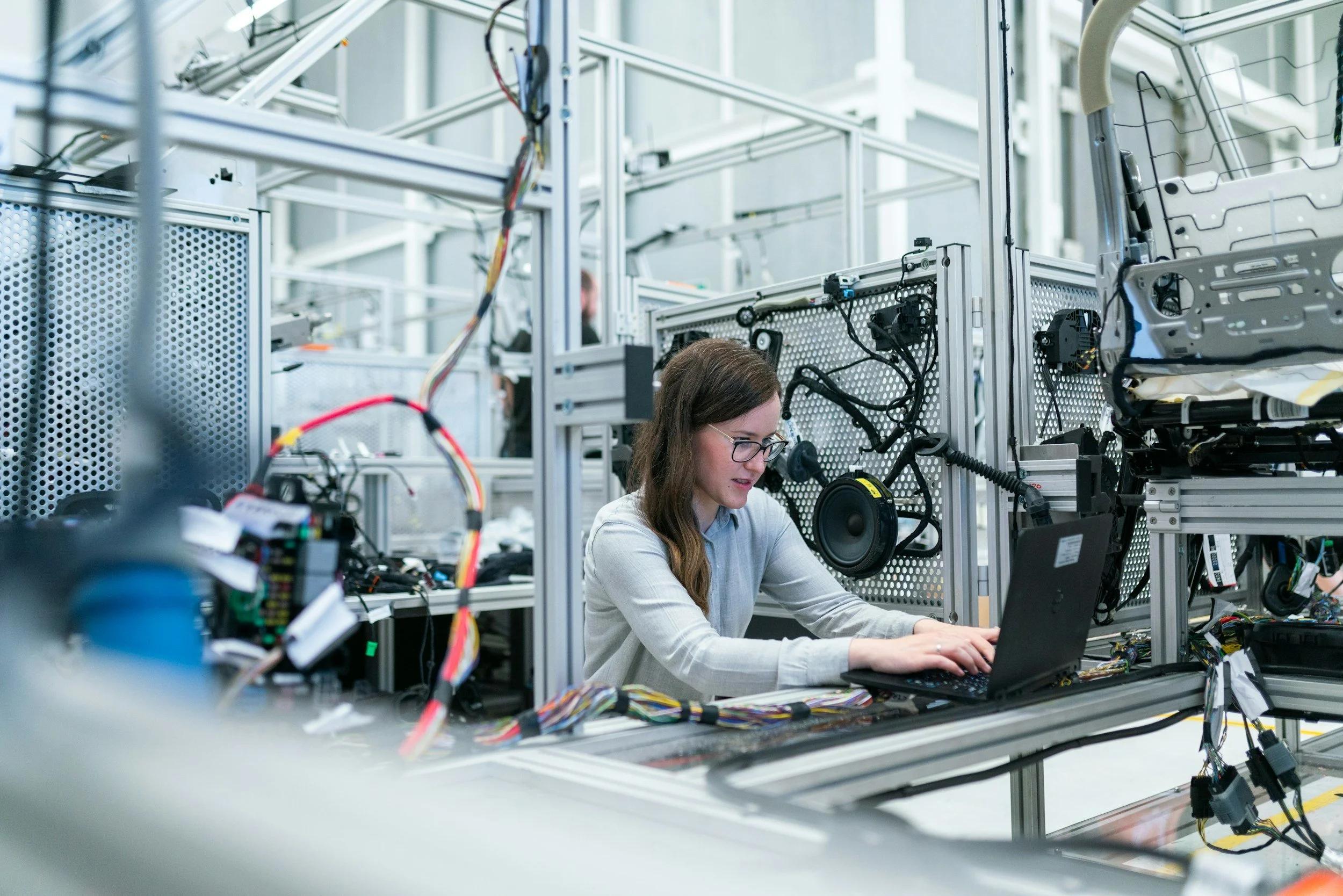
Industry does not need to wait for programs labeled maritime to get involved. In inland regions, the strongest engagement opportunities often exist in welding, electrical, mechanical, and energy-related programs. These programs already teach the foundational skills maritime employers rely on; what is missing is the narrative that connects those skills to the industry.
Welding students can immediately see how their work applies to vessel fabrication, infrastructure, and repair when industry partners explain topics such as marine materials, corrosion challenges, quality standards, and inspection requirements. Electrical students benefit from understanding how power reliability, redundancy, and controls are critical in marine and port systems. Mechanical and energy students gain clarity when hydropower, pumping systems, and marine infrastructure are presented as interconnected systems rather than isolated disciplines.
Engagement does not require reinvention. It requires translation, helping students understand that the work they are already learning has relevance beyond their classroom walls in industries they’ve maybe never considered, or heard of.
What Meaningful Engagement Looks Like
Effective engagement does not require large or expensive programs. In many cases, the most impactful efforts start small and grow naturally over time. Classroom visits by technicians, engineers, or skilled tradespeople help students put faces and real stories to potential career paths. Facility tours, whether in person or virtual, allow students to see how their skills are applied in real-world settings. Even a once-a-year presence at a high school or college career or trades fair can spark interest in a career path a student may never have previously considered. When industry partners clearly explain how classroom competencies translate into day-to-day job responsibilities, the gap between learning and employment begins to close.
Collaboration on applied projects gives students the opportunity to solve real problems using industry expectations. Short-term, work-based learning opportunities such as job shadowing, internships, or summer placements allow students to test their interests while giving employers early access to emerging talent.
These efforts build visibility, confidence, and interest among students while strengthening trust and alignment between education and industry. Over time, they create feedback loops that improve curriculum relevance and workforce readiness. Work force and talent development is a marathon not a sprint, a single visit may not have the next generation of skilled maritime tradespeople beating down your door, however over time with intentional engagement well trained employees who are eager to excel in their field will be much easier to come by.
Why This Matters for the Future
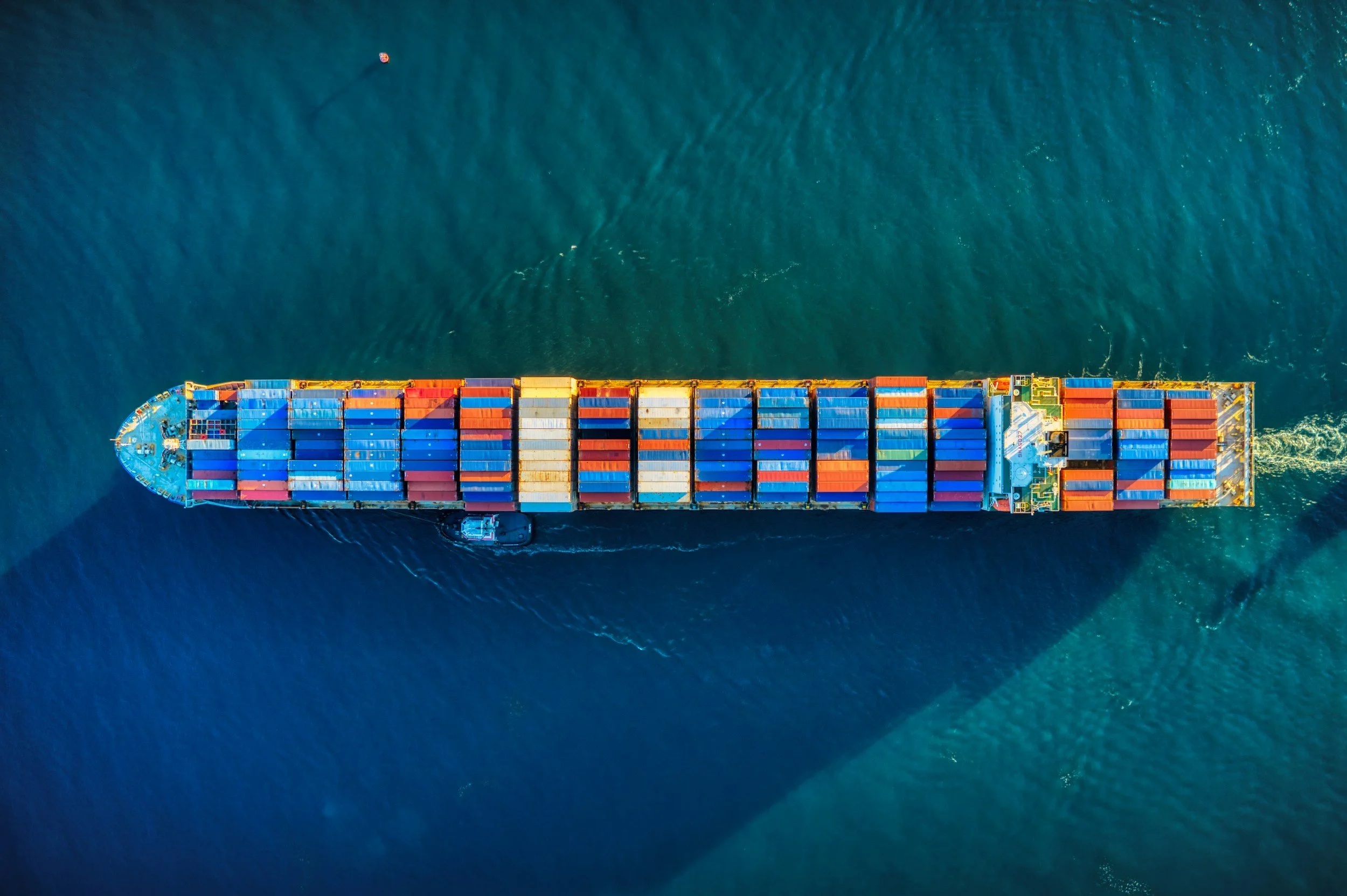
The maritime industry depends on skilled workers to maintain infrastructure, support clean energy, move goods, and protect waterways. Inland regions already contribute significantly to this system, even if that contribution often goes unrecognized. Without intentional engagement, employers risk overlooking a critical source of future talent at a time when workforce shortages are becoming more acute.
At the same time, students in inland communities deserve access to a full picture of their career possibilities. Exposure to maritime careers expands their horizons beyond the status quo and provides motivation to engage more deeply in their education. Students who can connect classroom learning to a tangible future are more likely to persist, succeed, and invest in their own development.
A Call to Action
If your organization relies on welders, electricians, mechanics, technicians, engineers, or energy professionals, you are already connected, whether directly or indirectly, to the education system. Making that connection intentional is the next step. Thinking beyond the coast and engaging creatively with educators allows maritime employers to strengthen the workforce not just for today, but for decades to come.
This responsibility does not fall solely on industry. Educators should also look outward and encourage industry partners to engage with students in their classrooms. When students are given goals to be excited about and have their horizons expanded beyond what feels “typical” for their region, they become better learners and stronger future employees.
The skills are here. The students are here. The opportunity is here. What remains is for industry and education to meet each other halfway and build a maritime talent pipeline that truly reflects the reality of modern industry.