
Wavebreaker Blog & Industry News
Welcome to the Wavebreaker Blog & Industry News. Whether you are an experienced maritime professional, new to the industry or just looking to learn more, the Wavebreaker Blog & Industry News is a great place to get industry updates and information, perspective pieces and insights about the industry. We welcome your feedback too. If you’d like to write a post, let us know! Send us an email with your feedback or interest in writing to marine.coe@skagit.edu
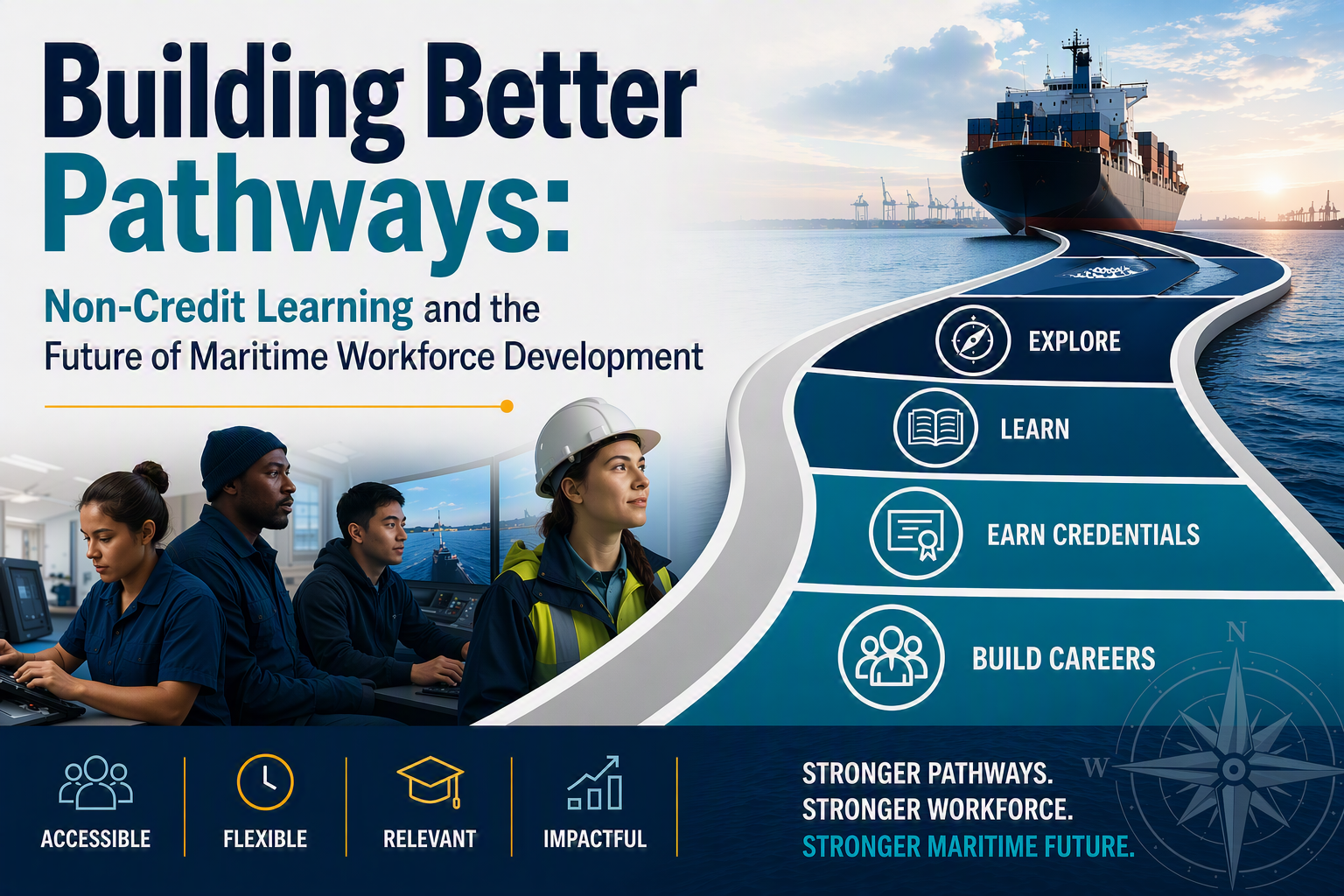
Building Better Pathways: Non-Credit Learning and the Future of Maritime Workforce Development
By Ann Avary, June 25, 2026
Whether the conversation is about vessel operations, shipbuilding and repair, marine technology, or the broader maritime industry, the message is the same: "We need more people."
Yet when we look closer, the issue isn't always a lack of interest. In many cases, it's a pathway problem.
We have built workforce systems that are often difficult to navigate, slow to respond, and heavily focused on traditional educational models that don't always reflect how people learn or enter careers today.
At a time when the maritime industry is facing unprecedented workforce shortages, we need to take a fresh look at how people gain skills, enter employment, and advance throughout their careers. That conversation must include non-credit learning.
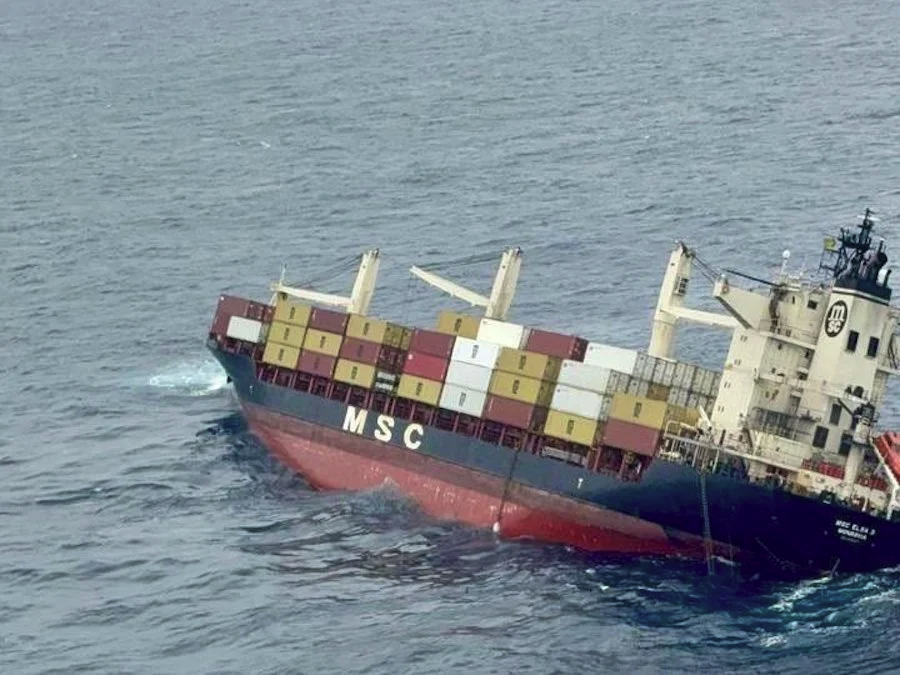
Container Losses at Sea More Than Doubled in 2025, But Remain a Tiny Fraction of Global Trade
The number of shipping containers lost at sea more than doubled in 2025 as several high-profile maritime casualties and severe weather events pushed losses above recent averages, according to the World Shipping Council’s latest Containers Lost at Sea Report.
The industry estimates that 1,478 containers were lost overboard last year out of approximately 280 million containers transported worldwide—equivalent to just 0.0005% of global container movements. That’s up from 576 containers lost in 2024, though still well below historical highs.
Boating Industry Reveals 2026 Top Products
For the last 13 years, the Boating Industry Top Products program has brought to readers 55 of the marine industry’s newest and most innovative products and services of the year. To be eligible for consideration, products or services must have been introduced or significantly updated since January 2025. The chosen list of products differentiated themselves from a large group of submissions for their impact, innovation and ability to advance the product category, even creating new segments.
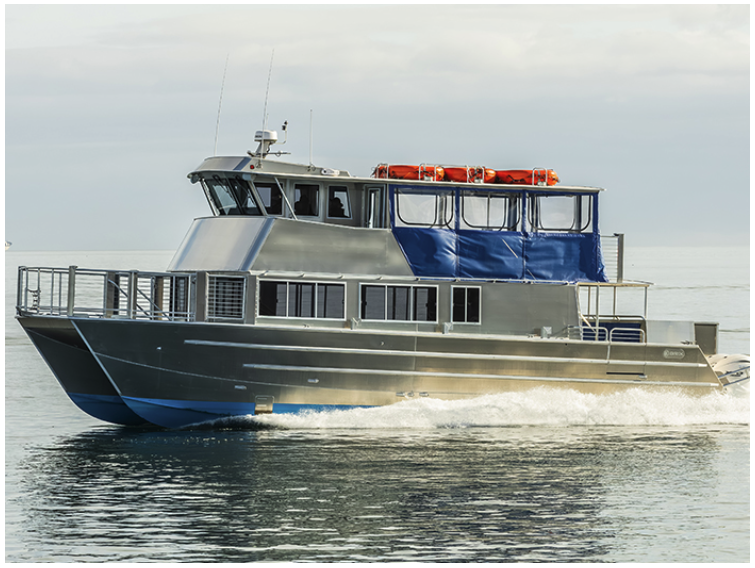
BRIX Marine delivers offshore passenger cat It’s About Time
Port Angeles, Wash,-based BRIX Marine reports that has delivered It’s About Time, a custom-built 4818-HTC offshore passenger catamaran from its PaxCat lineup, to FunToSee Island Ferry of Castries, St. Lucia. It is the second vessel that BRIX Marine has built for FunToSee Island, which operates St. Lucia’s premier airport water ferry service, connecting travelers arriving at Hewanorra Airport with resorts and accommodations across the island.
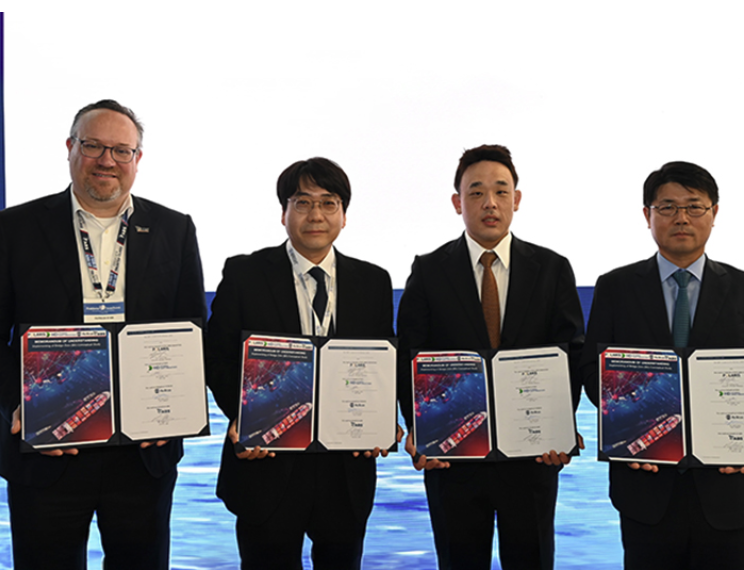
ABS partners with Polaris Shipping, HHI and AVIKUS to develop new unmanned bridge concept
ABS, Polaris Shipping, HD Hyundai Heavy Industries (HHI) and HHI’s autonomous navigation subsidiary Avikus,have signed an agreement to jointly develop an autonomous navigation concept enabling unmanned bridge operation, under defined conditions during deep-sea voyages.
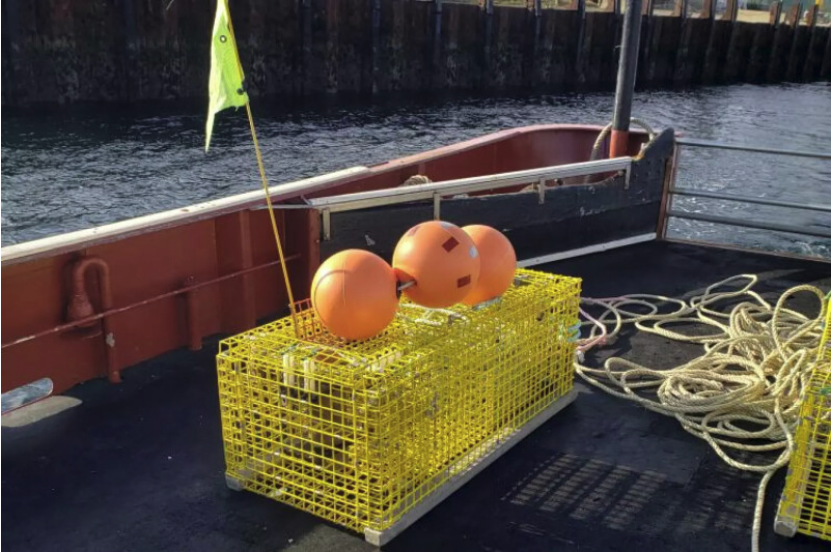
Consumers would pay more for lobster caught with ropeless gear, study finds
Consumers are willing to pay a premium for lobster harvested with ropeless fishing technology designed to reduce whale entanglement risks, according to new research from the University of Maine.
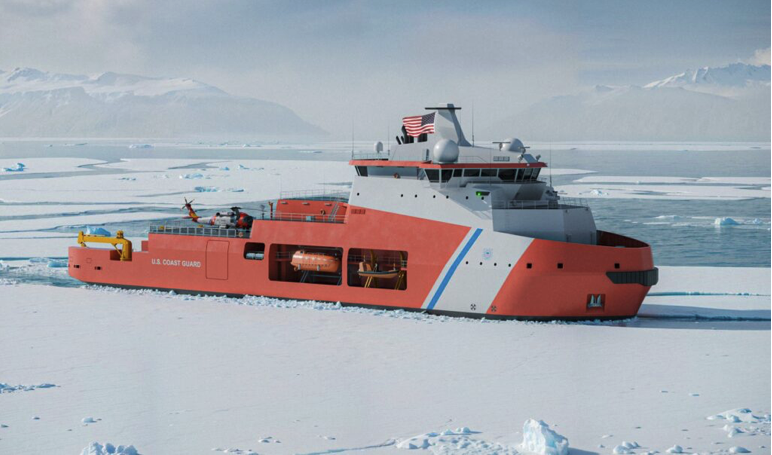
Kodiak, Seward to home-port first Arctic security cutters
(WASHINGTON) — The U.S. Coast Guard announced it will home-port its first two Arctic security cutters (ASCs) in Kodiak, Alaska, with a third ASC home-ported in Seward when the infrastructure is ready. This follows April’s announcement that the service would home-port its first two ASCs in Alaska.
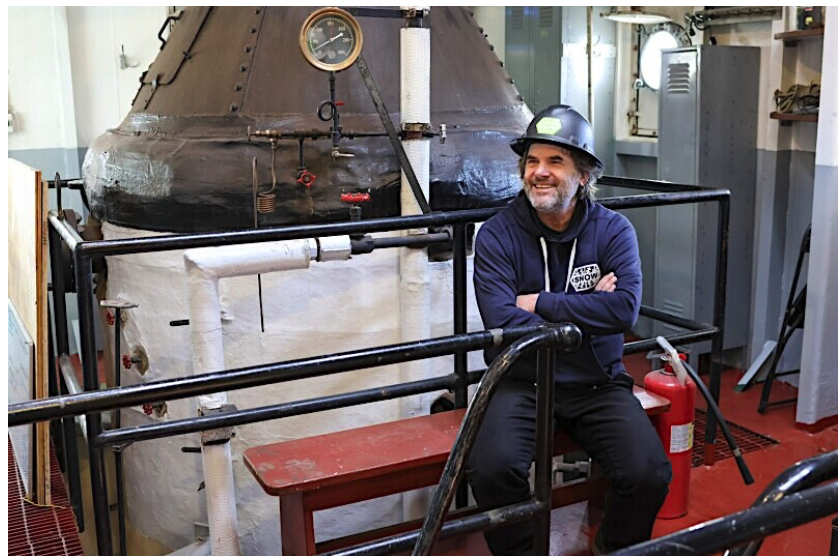
From payphone to shipyard: the Brett Snow story
Spend a week moving through the working waterfront in Seattle, and just about everyone has a Brett Snow story. Long before he became president and founder of Snow & Company, Snow had a reputation as a “free-spirit", but across the industry he was widely recognized as an “exceptionally talented boatbuilder with the drive and determination to turn Snow & Co. into what it is today.”
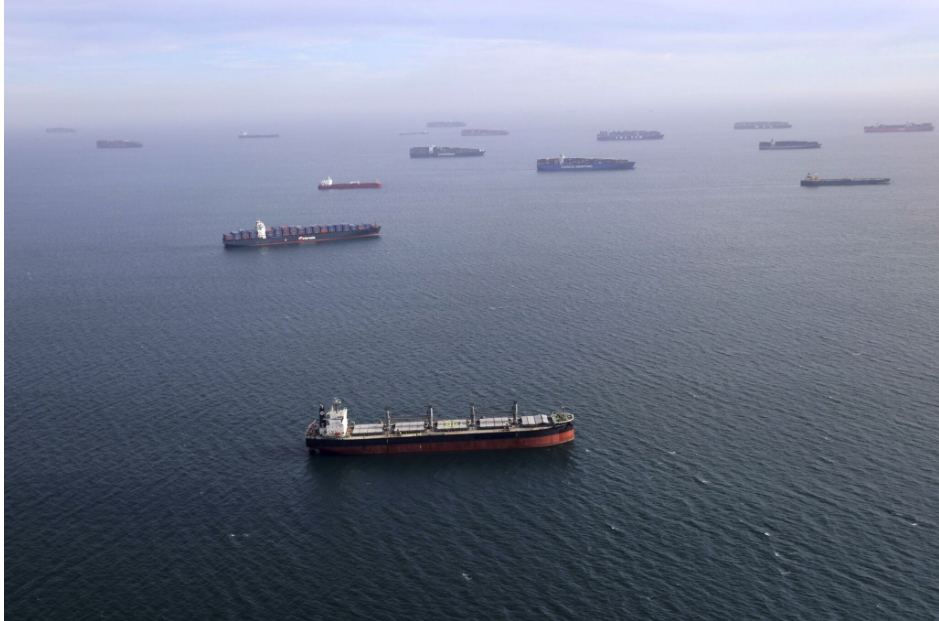
Why Port Efficiency Matters More Than Ever Amid Global Shipping Disruptions
A new report from the World Bank and S&P Global Market Intelligence argues that ports are no longer merely victims of supply chain disruptions—they are increasingly active participants in determining whether global shocks spread or are contained.
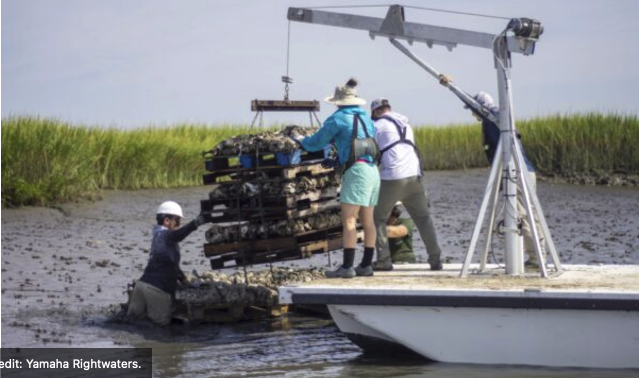
Yamaha Rightwaters Marks 7 Years of Conservation Leadership
Launched in 2019, Yamaha Rightwaters continues to support programs that make significant progress in keeping waterways clean and promoting sustainability for generations to come.
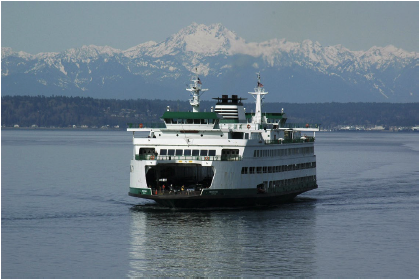
WSDOT Maritime Engine Room Training(QMED) Scholarship
All on-vessel positions at Washington State Ferries (WSF) require maritime credentials. If you want to work in the WSF engine room, you are required to work toward getting a Qualified Member of the Engine Department (QMED) certification. If you need help covering the cost of tuition, you can apply for a scholarship. Applications are now being accepted until funding is exhausted. More than 30 scholarships will be awarded! Apply early for best consideration. Individuals from all backgrounds are encouraged to apply.
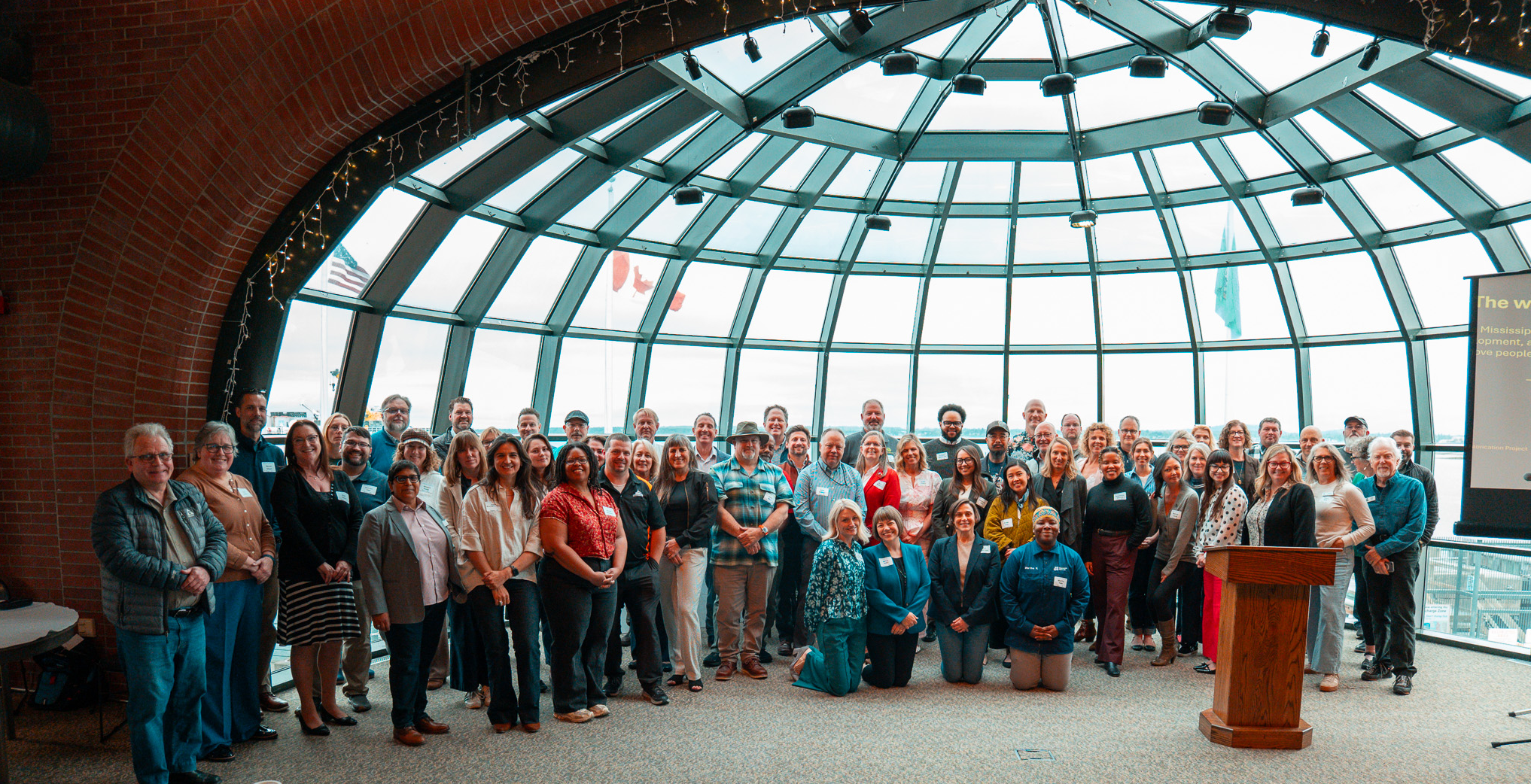
“Nothing Gets Done Without Welding” Post-Event Report 2026 Maritime Workforce Forum May 19, 2026
Overview
The 2026 Maritime Workforce Forum, convened at the Port of Bellingham, brought together leaders from industry, ports, education, labor, economic and workforce development, and government to address one of the most pressing constraints facing the maritime sector: skilled workforce capacity, particularly in welding and fabrication.
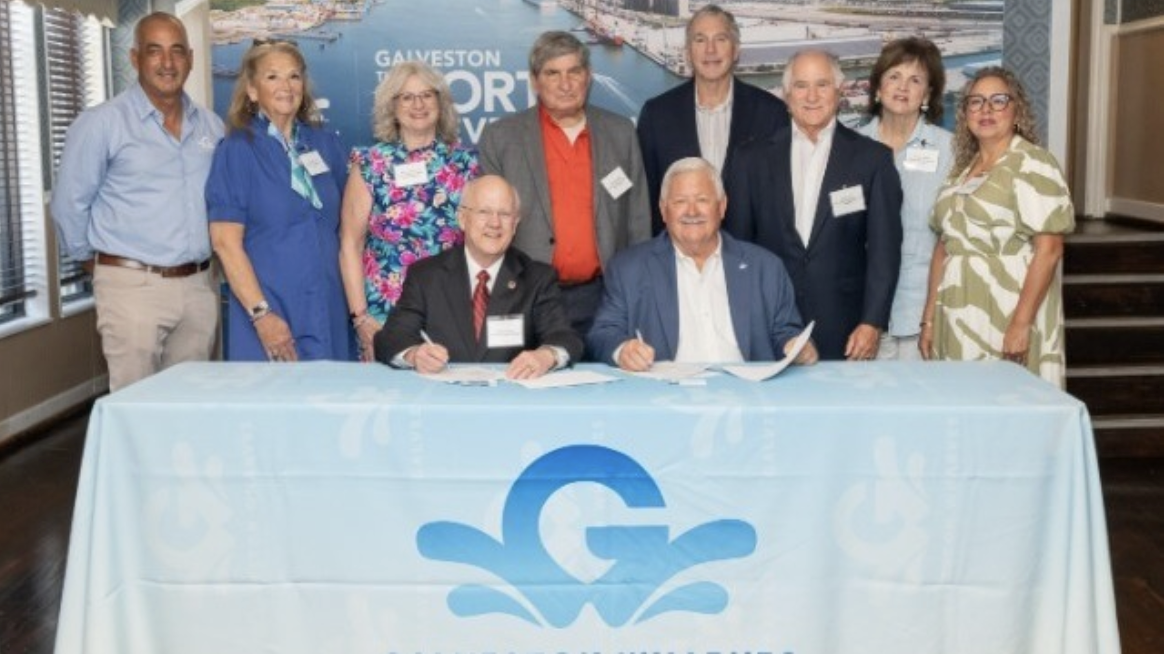
Galveston Establishes College Endowment for Maritime, Trade Scholarships
The Galveston Wharves is investing in the future of the maritime industry by establishing an endowment at Galveston College to fund maritime-related degrees and trades. Initial funding of $40,000 came from sponsorship proceeds from the Port of Galveston’s bicentennial celebration in 2025. Rodger Rees, Galveston Wharves port director and CEO, said, “As one of the Gulf Coast’s leading deepwater ports, the Port of Galveston and its port partners depend on a strong pipeline of skilled professionals to sustain and grow our maritime economy. This endowment reflects our commitment to helping the next generation gain the education and training they need to work in this critical industry.”

IMO honors Eleni Polychronopoulou for empowering women in maritime
Eleni Polychronopoulou, president of ERMA Tech Group, was recently recognized by the International Maritime Organization (IMO) for her contribution to advancing gender equality in the global maritime sector, receiving a Letter of Commendation as part of the prestigious IMO Gender Equality Award framework. Polychronopoulou also serves as president of HEMEXPO (Hellenic Marine Equipment Manufacturers & Exporters) and vice chair of SEA Europe, the Shipyards’ and Maritime Equipment Association of Europe, while leading a group of companies uniting ERMA FIRST, EPE Systems Division, RWO, Ecochlor, HASYTEC, Metis, STEELMAXenergy, as well as affiliated companies and strategic partnerships, redefining maritime energy efficiency through integrated technologies designed to deliver measurable performance results for vessels worldwide.
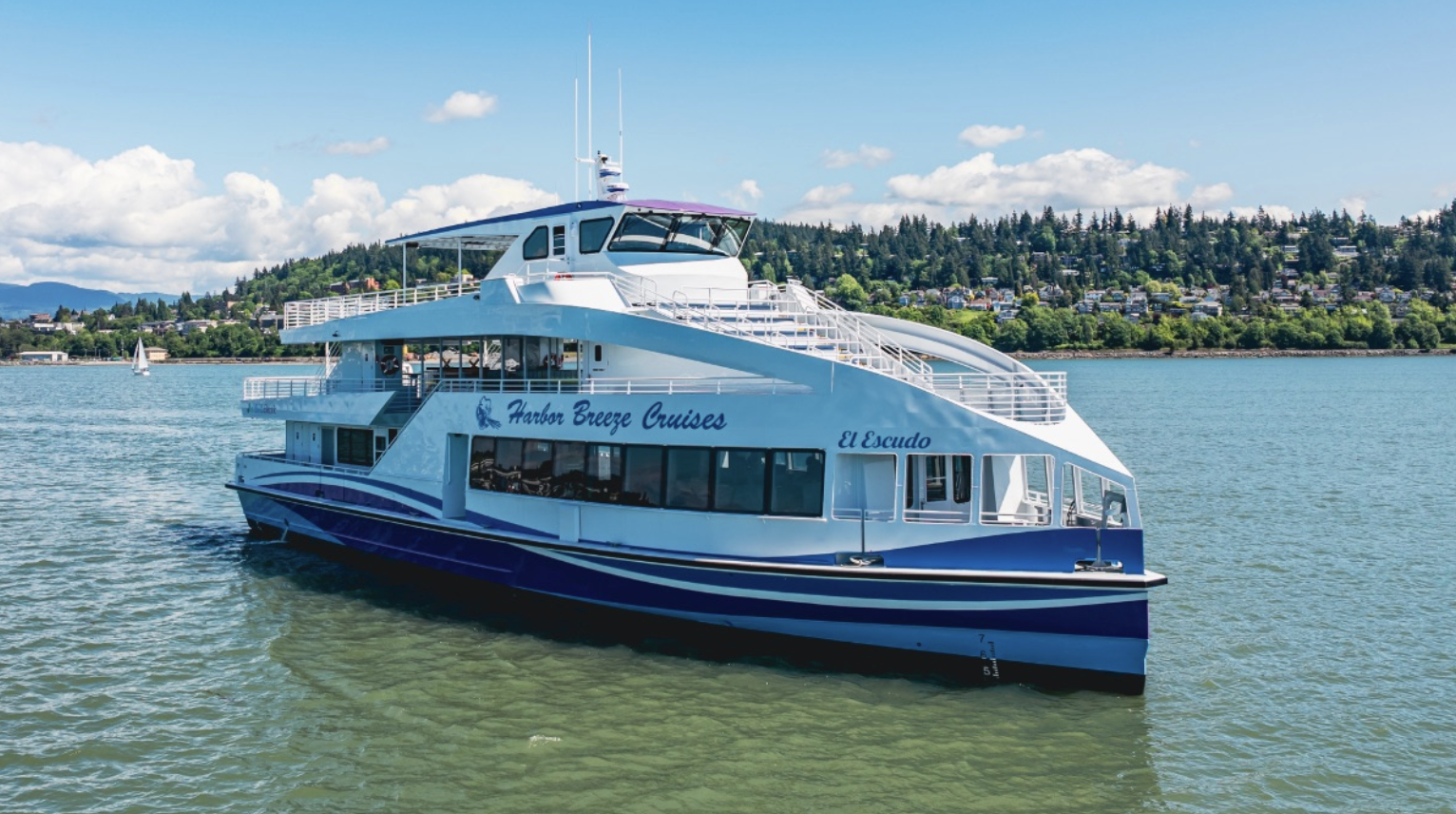
All American delivers innovative hybrid monohull tour boat
This project serves as a demonstration of the latest commercially available marine technologies and exceeds the most rigorous emissions standards currently in force in North America, including the most recent CARB harbor craft rules. Funding support is provided through CARB’s Advanced Technology Demonstration and Pilot Projects grant for the Los Angeles Marine Emission Reduction (LA MER) Project, administered by the Port of Los Angeles (City of Los Angeles Harbor Department). The vessel establishes a new benchmark in maritime innovation as a first-of-its-kind, multi-purpose monohull operating as a U.S. Coast Guard Subchapter K passenger vessel, certified for “limited coastwise” service and outfitted with advanced data collection and monitoring capabilities. Its customized design provides Harbor Breeze Cruises with exceptional operational flexibility while integrating advanced technology throughout the vessel.
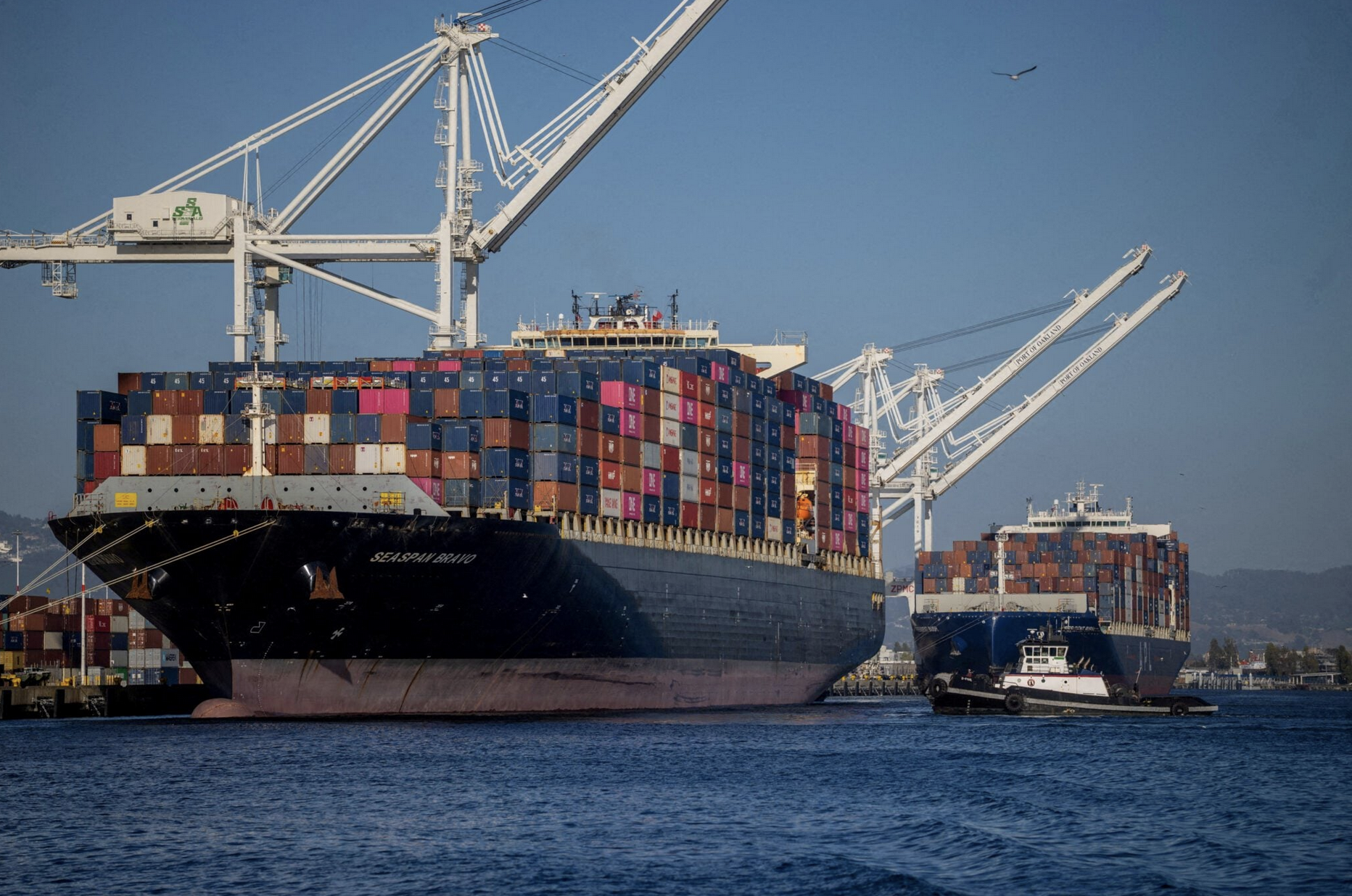
Opinion: The Three Maritime Action Plan Provisions That Could Matter Most
As Maritime Week put the spotlight squarely on Washington, D.C.’s maritime sector, the Maritime Action Plan (MAP) continued to attract attention for good reason. If you operate, finance, insure, build or charter ships, you already know the core issue: The U.S. can’t count on surge sealift, sustained logistics or real maritime resilience without a commercially viable U.S.-flag fleet and a stronger industrial base behind it. Importantly, the MAP’s long-term success hinges not just on government-impelled cargo (military sealift, food aid and preference cargoes) but on cultivating genuine commercial cargo – the private-sector shipping demand that keeps fleets active during peacetime and creates the economic foundation for rapid mobilization when strategic needs arise.
IMO adopts first global code for autonomous ships
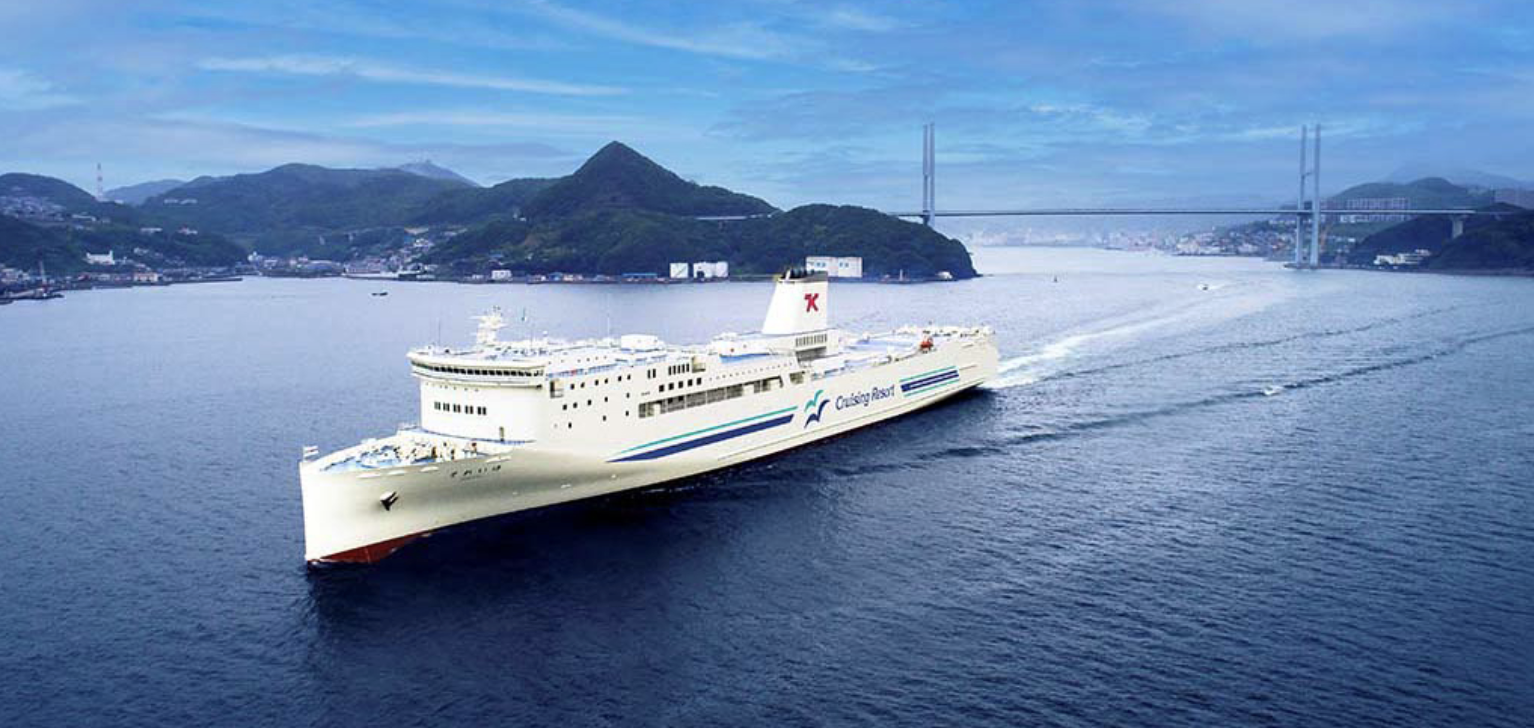
The International Maritime Organization (IMO) has adopted a new International Code of Safety for Maritime Autonomous Surface Ships (MASS) to support the safe integration of AI-enabled and remotely operated commercial ships into global shipping. The MASS Code sets out a comprehensive, goal-based framework to ensure that remotely controlled or autonomous ships are designed and operated to a level of safety, security and environmental protection that is expected of a conventional ship. They will also be required to comply with the International Convention for the Safety of Life at Sea (SOLAS) and other applicable mandatory IMO instruments.

MAC Welding and Fabrication Project Lessons from Mississippi: A Workforce-First Welding Model
In late April, the MAC Welding & Fabrication Project leadership team - Lindsey Williams, Sarah Patterson, and Ann Avary - traveled to longtime partner Mississippi Gulf Coast Community College (MGCCC) for a two-day outreach and benchmarking visit focused on the college’s non-credit and credit-bearing welding programs and their direct alignment with Gulf Coast shipbuilding and industrial workforce demand. We owe the entire team at MGCCC a huge debt of gratitude. They gave us two full days of their time, opened doors to industry partners, and gave us a front row seat to what high-functioning, industry-aligned welding workforce development actually looks like in practice.
NPAFC reports lowest odd-year harvest of Pacific salmon
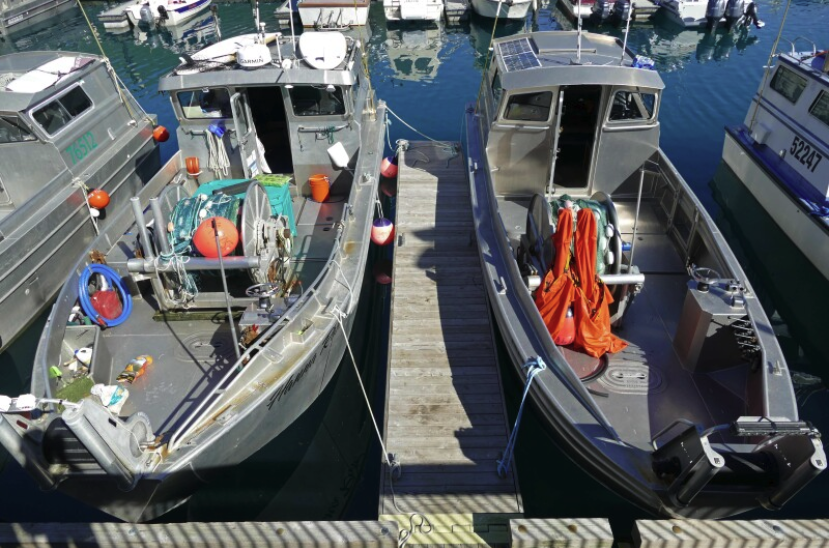
Member nations of the North Pacific Anadromous Fish Commission (NPAFC) reported a total harvest of 425.7 million Pacific salmon in 2025, the lowest aggregate weight for an odd-numbered year since 1987. Total numbers of salmon caught in the United States, Russia, Japan, Canada, and Korea rose 39% over 2024 but were 41% lower than the record catch in 2023, NPAFC said in a report issued on May 15 after its 33rd annual meeting in Vancouver, Canada. More adult salmon are typically harvested in odd-numbered years than even-numbered years because pink salmon are more abundant in odd-numbered years, but in 2025 the overall catch was 25% lower than the recent five-year average of odd-numbered years in terms of weight and 27 percent lower in total numbers of fish caught.
First Woman to Lead Panama Canal Named as Waterway Faces Rising Global Pressure
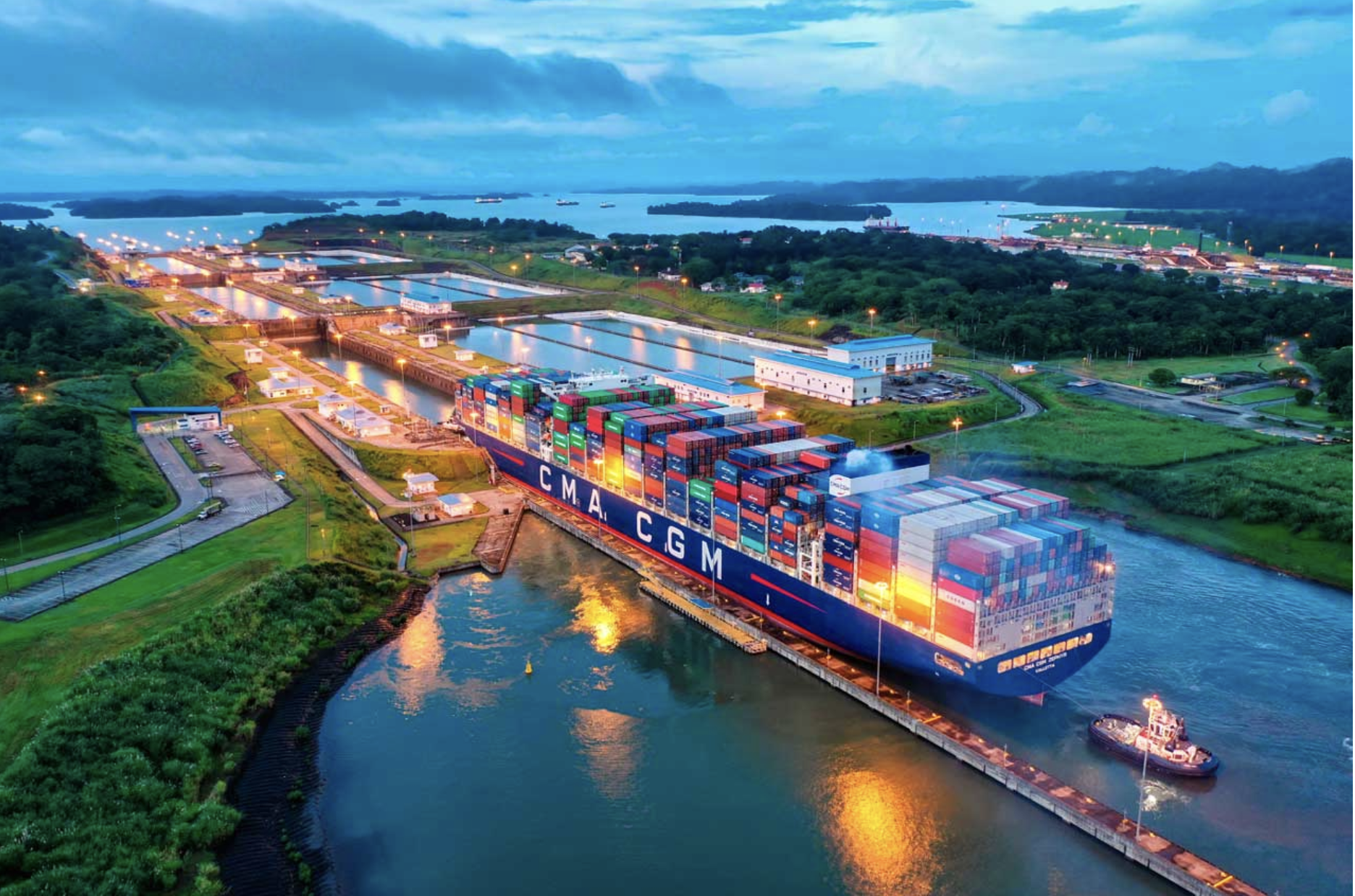
Panama President José Raúl Mulino announced Thursday that Ilya Espino de Marotta has been selected as the next administrator of the Panama Canal, making her the first woman to lead one of the world’s most strategically important shipping chokepoints. Espino de Marotta will replace Ricaurte Vásquez, who has led the canal since 2020 through a period marked by historic drought disruptions, surging geopolitical trade tensions, and major shifts in global shipping patterns. In a statement posted on X, Panama’s Minister for Canal Affairs José Ramón Icaza said the Board of Directors began planning the succession process last year with support from an internationally recognized consulting firm.