
Regulatory and Liability Challenges to Unlocking Nuclear Power for Maritime
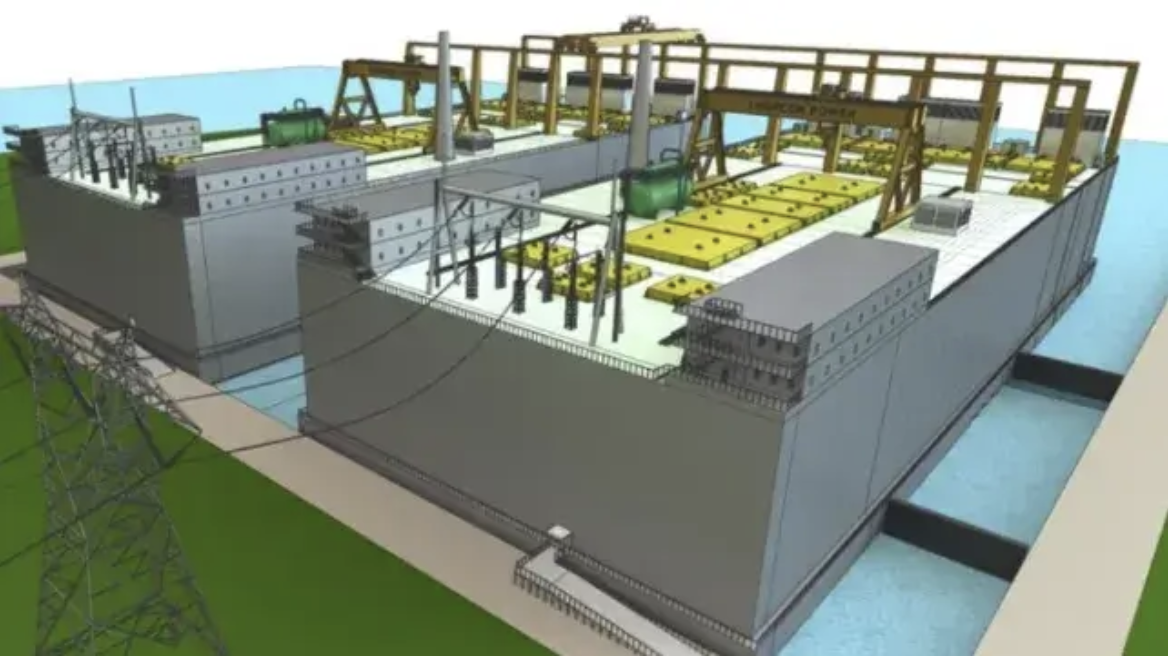
A proposed design for a floating modular nuclear power station based on molten salt reactor technology (BV / Thorcon)
As part of our Career Connect Washington Maritime Sector ongoing work, we actively track, document, and inform about emerging technologies and trends. 2025 was a challenging year for the maritime industry’s decarbonization efforts. Reports at the beginning of the year highlighted that despite an acceleration in the industry’s engagement in low-carbon clean technologies, international shipping emissions were said to have largely returned to 2008 levels. Positive signals came early in January with the introduction of FuelEU Maritime (FEUM), which represents one of the most comprehensive pieces of regional emissions legislation to date, and which seeks to incentivize the integration of low-carbon alternative fuels.
FEUM was quickly followed by the unveiling of the IMO’s proposed Net Zero Framework, which represented a watershed moment in unifying previously fragmented regional emissions regulation in place of one codified global framework. However, following the framework’s delay as a result of the Marine Environment Protection Committee (MEPC’s) extraordinary meeting in October, shipping must continue to contend with pervading regulatory uncertainty, whilst having to navigate a patchwork of regional regulations.
Go to this link to read the full article published by The Maritime Executive https://maritime-executive.com/editorials/regulatory-and-liability-challenges-to-unlocking-nuclear-power-for-maritime