

Texas A&M ‘smart’ system aims to reduce marine collisions
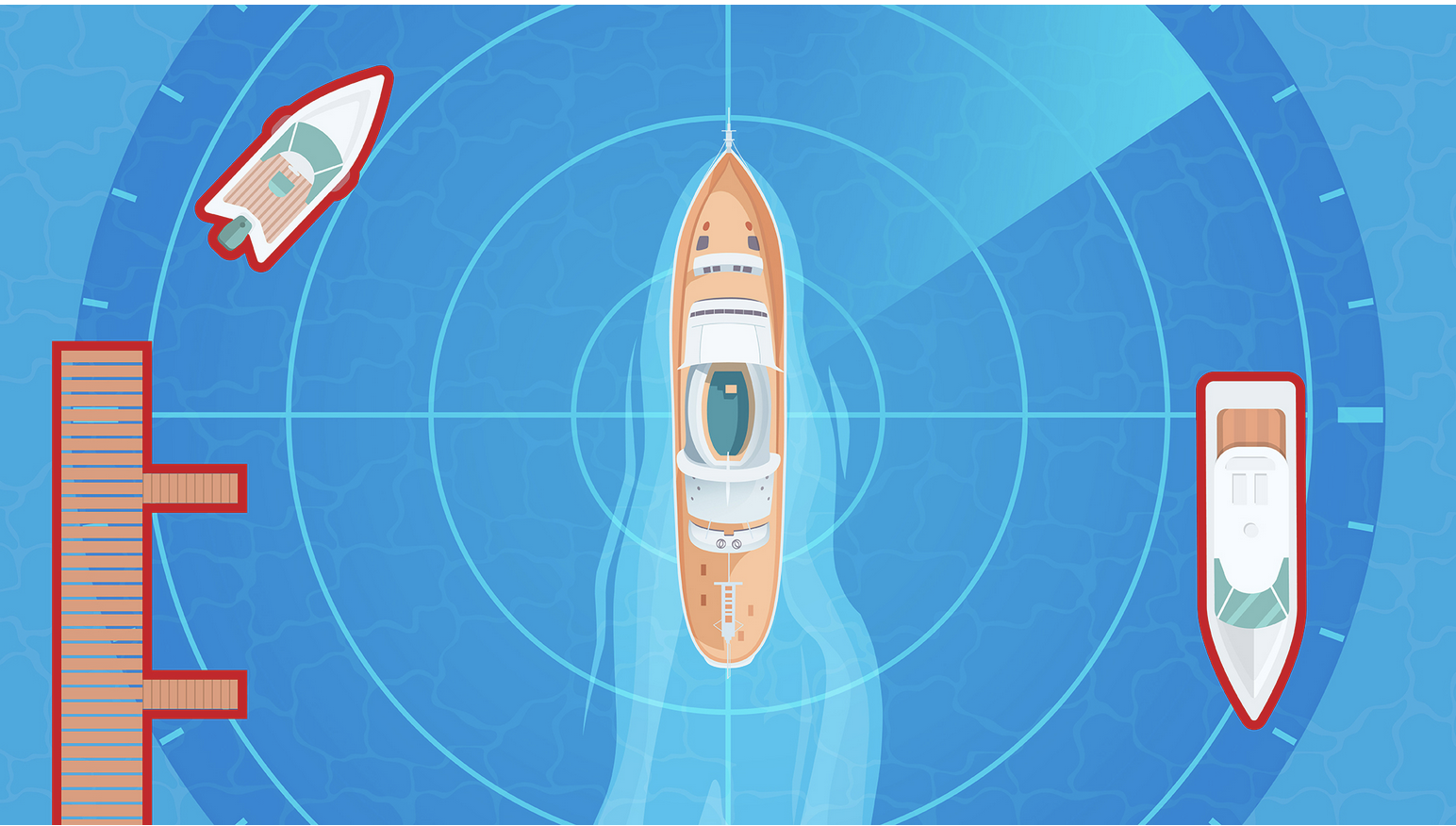
Researchers from the Texas A&M College of Engineering have developed a system that analyzes vessel maneuverability and seafarer experience to deliver real-time collision avoidance recommendations. Rachel Barton/Texas A&M graphic
As part of our Career Connect Washington Maritime Sector ongoing work, we actively track, document, and inform about emerging technologies and trends. Collisions between marine vessels and vessel impacts with stationary structures, like offshore oil platforms and depleted wellheads, are becoming increasingly common. These incidents come with a cost – including the financial burden of lost goods and potential loss of life.
Ocean engineering researchers at Texas A&M University are developing a smarter system to combat these incidents and their costs. By combining raw radar imaging data with advanced machine learning, researchers have created SMART-SEA, a system that gives seafarers real-time guidance on how and when to maneuver their vessel.
To design a practical system for seafarers, researchers conducted a focus group with Texas A&M at Galveston faculty members, many of whom are former seafarers. Researchers also collaborated with industry experts, the U.S. Navy and the U.S. Coast Guard. Their experience assisted researchers in defining practical decision-making skills – like when to yield and how far to turn – and implementing them into the SMART-SEA system.
Go to this link to read the full article published by the Professional Mariner https://professionalmariner.com/texas-am-smart-system-aims-to-reduce-marine-collisions/