
Wavebreaker Blog & Industry News
Welcome to the Wavebreaker Blog & Industry News. Whether you are an experienced maritime professional, new to the industry or just looking to learn more, the Wavebreaker Blog & Industry News is a great place to get industry updates and information, perspective pieces and insights about the industry. We welcome your feedback too. If you’d like to write a post, let us know! Send us an email with your feedback or interest in writing to marine.coe@skagit.edu
Op-Ed: Why Women Belong at the Heart of Maritime's Future
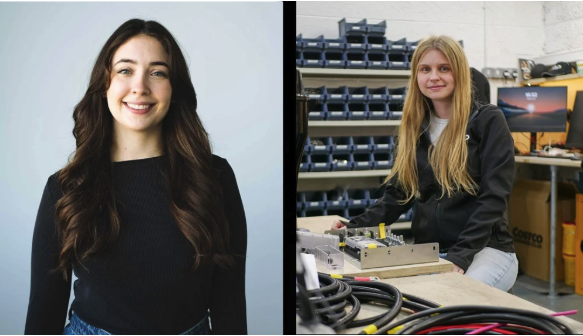
Jillian Verbeurgt and Jess Moss recently started their careers in engineering and technology, and in this essay for the International Day for Women in Maritime, they reflected on the opportunities ahead for women in the industry. Neither of us planned a career in maritime. Our journeys began far from shipyards and propulsion systems, shaped instead by curiosity and opportunity. One of us grew up in the mountains of Canada, the other attended an all-girls school in south east London. Yet despite these very different beginnings, our paths converged in an industry undergoing profound change. Maritime is evolving - technologically, culturally, and environmentally - and women are increasingly part of that transformation.
Global Maritime Firms Prioritize Expansion in West Africa
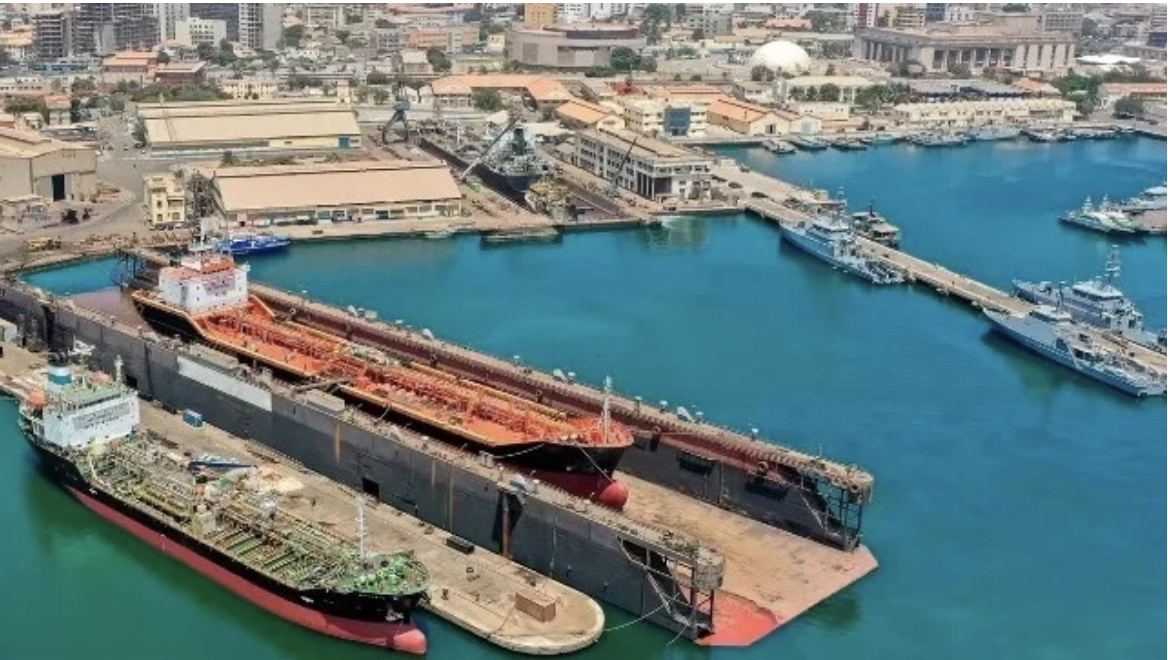
Rerouting of global trade around the Cape of Good Hope has presented growth opportunities for some regions in Africa. Particularly, West Africa has greatly benefited from the diversion of the shipping traffic, with major maritime companies expanding their presence in the region. The longer voyage around the Cape of Good Hope has spiked demand for bunker fuels at emerging supply points in Africa. In addition, demand for ship repair services is also rising, an opportunity that West African countries appear anxious to take. This positive market outlook has also seen major shipping companies realign their liner schedules, deploying extra capacity to West Africa. Last week, one of the world’s largest suppliers of marine fuels, Minerva Bunkering, announced its expansion in West Africa. The company owned by Mercuria Energy Group launched a bunkering service in Mauritania after approval by the National Hydrocarbons Commission (CNHY). Minerva will be operating from the Mauritanian ports of Nouadhibou and Nouakchott. From these locations, the company will supply commercial vessels as well as offshore oil and gas installations operating in West Africa.
NASSCO Secures $856 Million for Another Navy Fleet Oiler
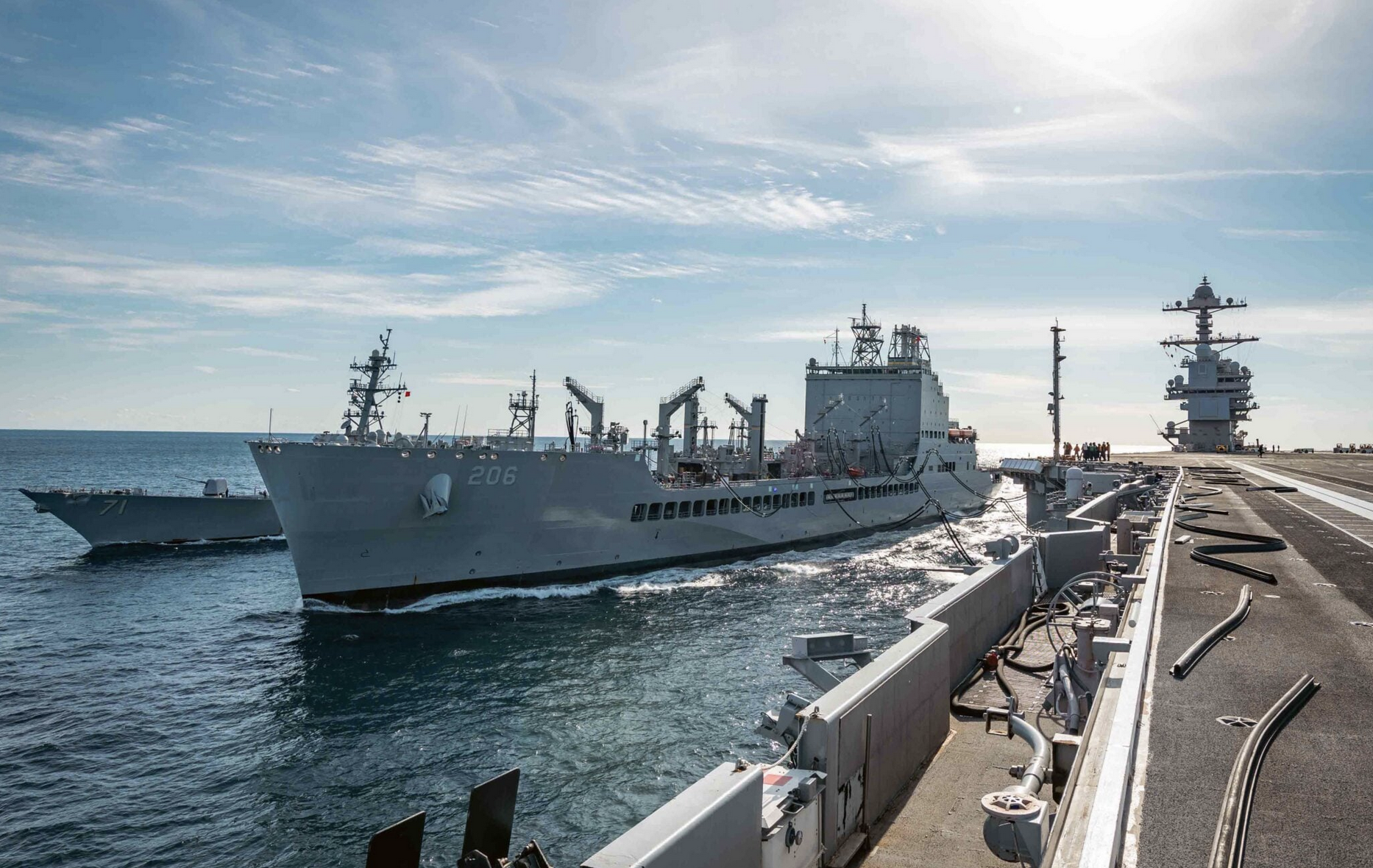
General Dynamics NASSCO has received $856 million in funding to build T-AO 217, the latest ship in the U.S. Navy’s John Lewis-class fleet replenishment oiler program. The funding is part of an eight-ship block-buy contract awarded in September 2024 covering T-AO 214 through T-AO 221. NASSCO is now under contract to build 17 of the Navy’s planned 20 oilers and has delivered five to date. The San Diego shipbuilder said T-AO 217 will be the 13th ship in the program and is aimed at sustaining production continuity at the yard. “The T-AO program is a cornerstone fixture for the dedicated team at NASSCO, representing the longest-standing Navy production series in our history,” said Dave Carver, president of General Dynamics NASSCO. He said the funding “maintains a steady workforce and helps mitigate the risk of future layoffs” as the company seeks timely funding for ships 14 through 17.
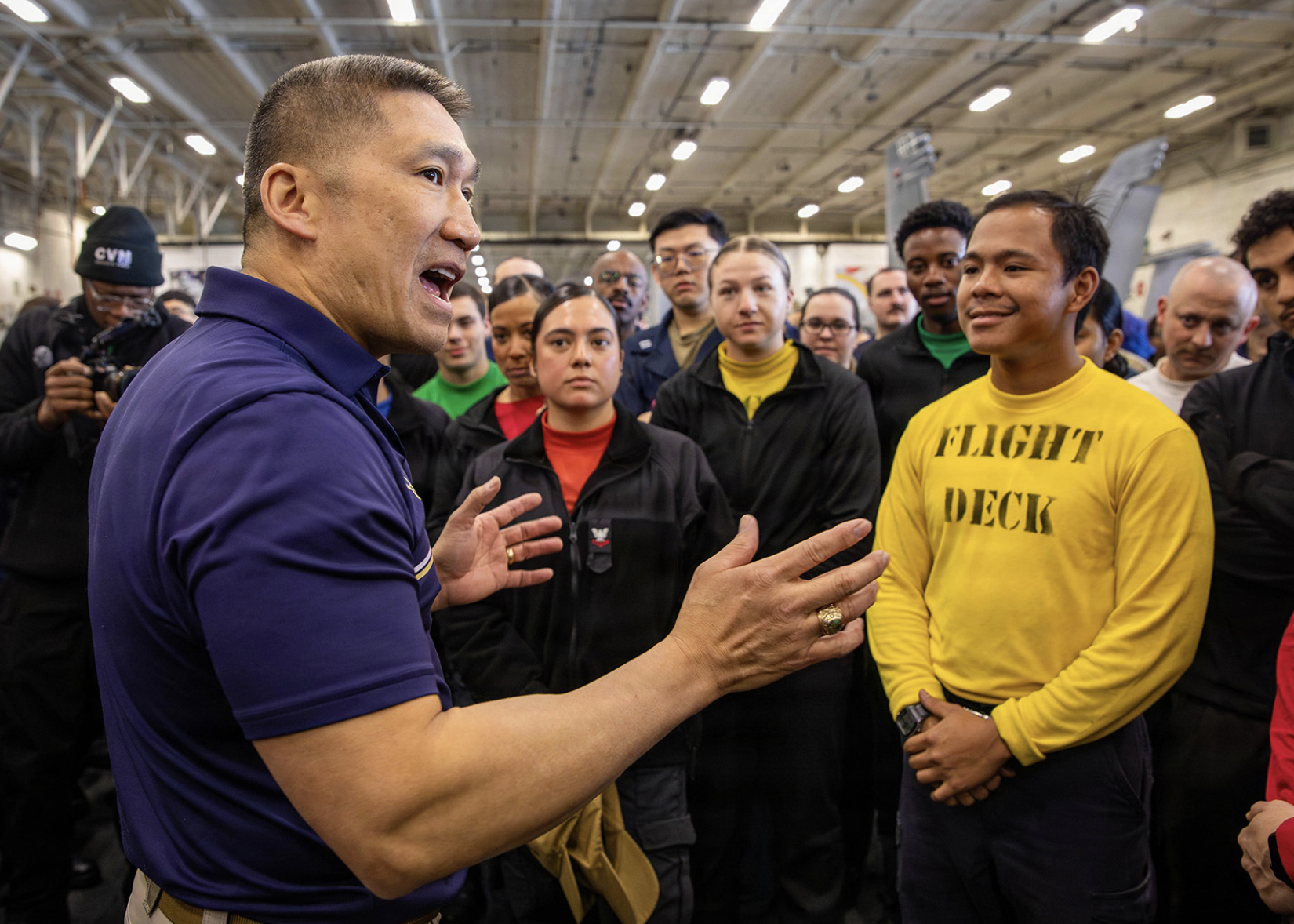
Navy releases FY27 shipbuilding plan, long-term strategy for fleet expansion
The Department of the Navy has released its shipbuilding plan for fiscal year 2027 and beyond, with Acting Secretary of the Navy Hung Cao outlining long-term plans for what the Trump administration is calling the Navy’s “Golden Fleet.” “The United States is at a strategic inflection point, and rebuilding American maritime dominance requires urgency, accountability, and sustained commitment,” Cao said. “This shipbuilding plan provides a roadmap for the Golden Fleet, to grow a larger, more capable fleet while revitalizing the industrial base, strengthening our workforce, and ensuring our sailors and marines have the platforms they need to defeat any adversary for decades to come.” Golden Fleet is an homage to Theodore Roosevelt’s “Great White Fleet,” 16 white-painted battleships deployed in 1907 for a 14-month circumnavigation to project American naval strength.
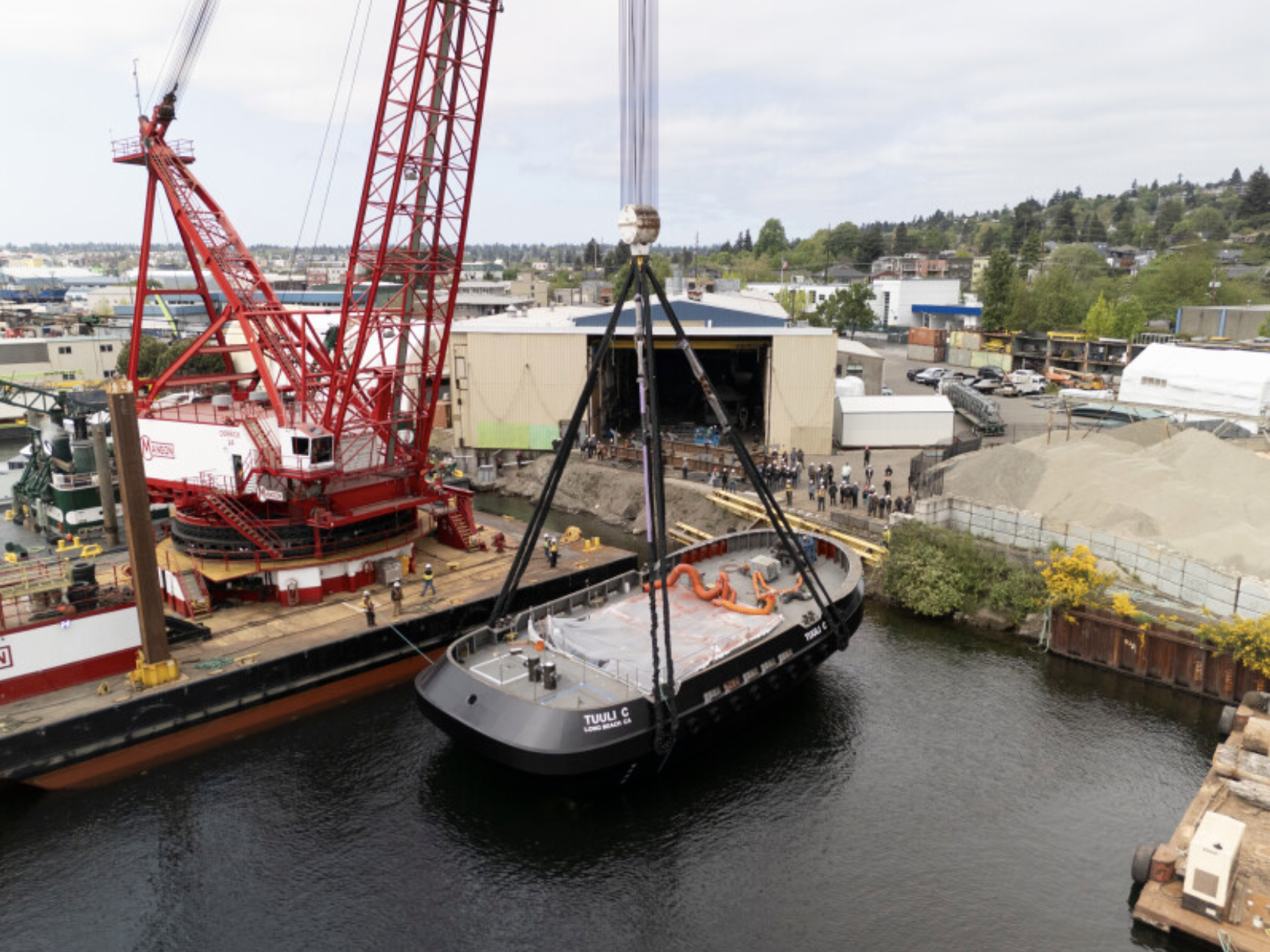
Snow & Co. launches first battery-powered electric ship-assist tug Tuuli C
Snow & Co., Seattle, has launched the first battery-powered electric ship-assist tug in an eight-vessel series being built for Curtin Maritime, Long Beach, Calif., with Los Angeles-based Arc providing the battery and battery management system integration. WorkBoat visited the shipyard in April as two 2,000-hp Schottel L-drive propulsion units were being installed aboard the 80’9”x42’3” tug Tuuli C, and crews prepared the vessel for launch. The tugs are too heavy for the shipyard’s traditional 1942 steam-powered crane launch system, so Snow brought in Manson's Derrick 24, a much larger floating crane, also leading Snow & Co. to develop an alternative approach to move the vessel out of the building using eight air casters. “So that sits flat on the floor and the air blows in there. This is the manifold for the eight air casters,” said shipyard founder and president Brett Snow, pointing to the contraption in his office.
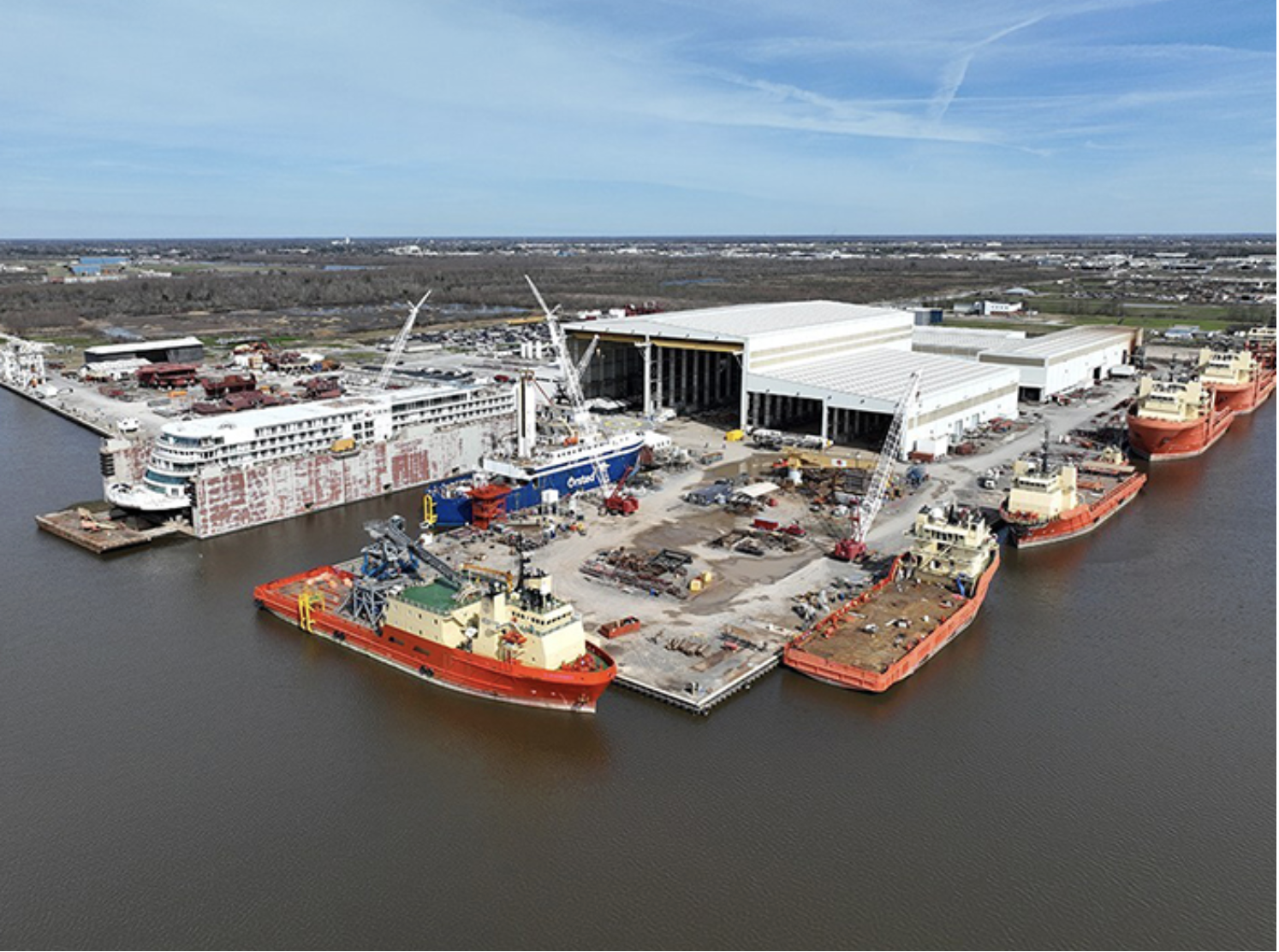
Chouest orders HD Hyundai Robotics welding systems for four yards
HD Hyundai Robotics reports that it has secured an order for its ArcLift GO robotic welding solution that will see it supply robotic welding systems for three Chouest Group shipyards in North America and one shipyard in Brazil. ArcLift GO is a robotic welding solution designed to deliver uniform and stable weld quality, significantly reducing dependence on skilled welders. Based on HD Hyundai’s extensive process know-how accumulated through years of shipbuilding experience, the solution adopts a plug and play concept supported by intuitive operating software, enabling flexible responses to diverse geometries and working environments.
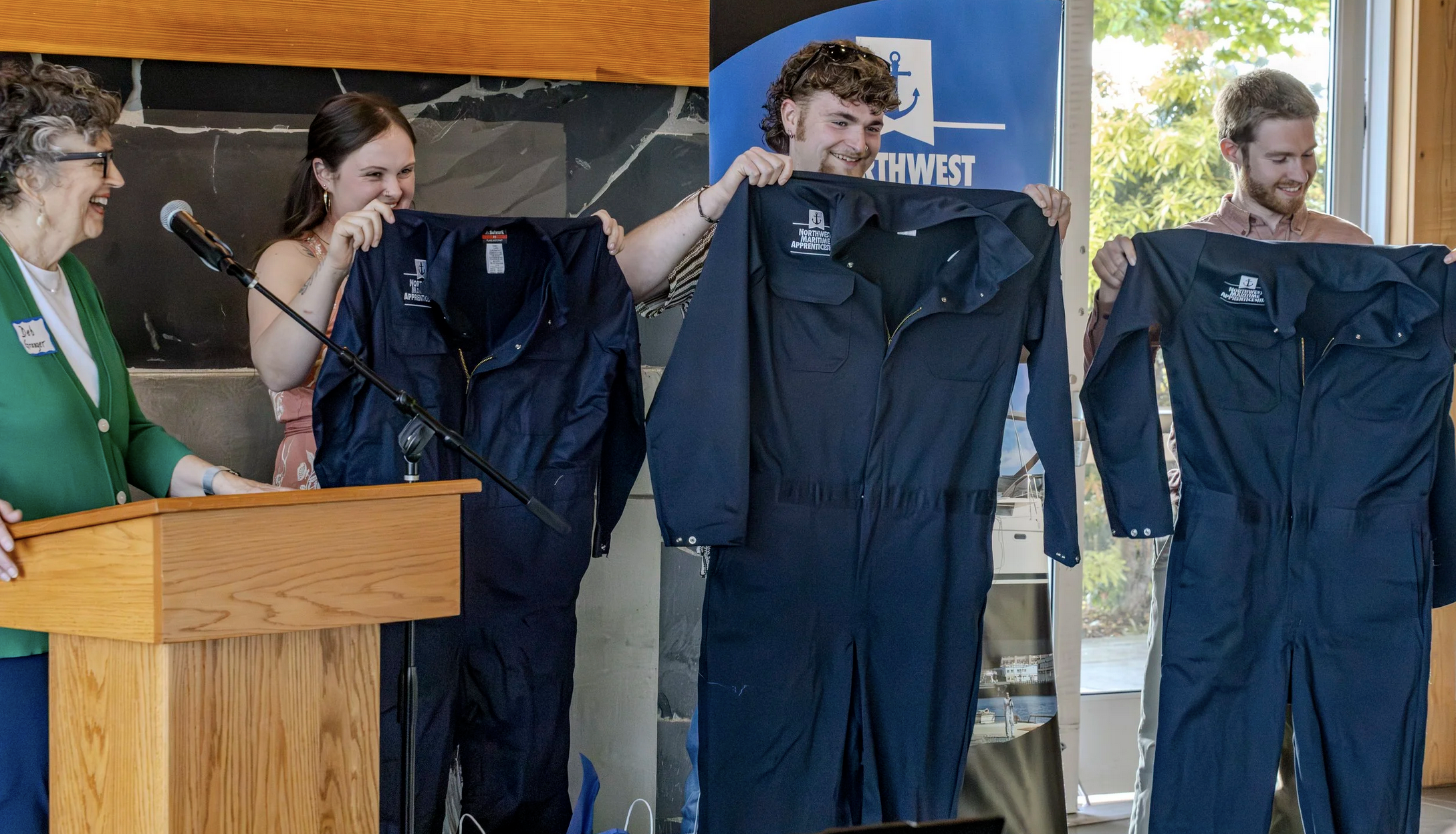
A Historic Night on the Waterfront: Celebrating the First Graduates of the Northwest Maritime Apprenticeship
On the evening of Friday, May 1, the Squalicum Boathouse was filled with energy, pride, and celebration as more than 70 community members gathered for a truly historic moment, the inaugural graduation ceremony of the Northwest Maritime Apprenticeship. This wasn’t just a graduation. It was a milestone for the maritime industry in the United States. For the first time, three apprentices, Talia Piper, Ben Oliver, and Matthew Sutherland, officially completed a rigorous, state-registered program designed specifically to train professional Marine Service Technicians earning their Certificates of Completion. In doing so, they became among the first individuals in the country to earn this distinction through an apprenticeship program.
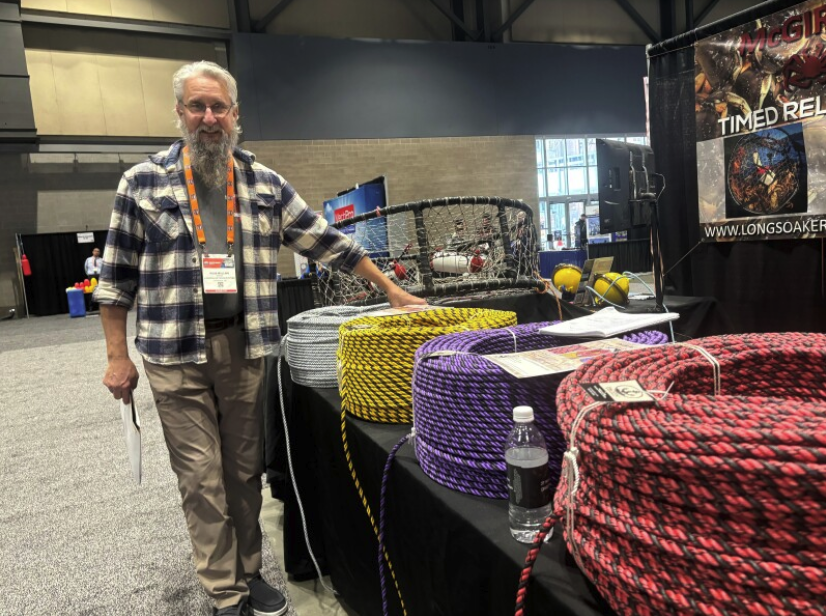
Pacific Ropeworks helps fishermen save whales and money
In an effort to help understand where whales are getting entangled, the Pacific States — California, Oregon, and Washington — began implementing colored markings on Dungeness crab pot buoy lines in 2020, with state-specific requirements. California fishermen must use purple and black line on traps beginning in the 2025–26 season. Oregon will require yellow and black rope beginning Dec. 1, 2026, and Washington is phasing in red and black rope between 2025 and 2028. With tariffs on imported rope and color confusion among foreign producers, Russ Mullins of Bellingham, Wash., saw an opportunity. He launched a new company, Pacific Ropeworks, to meet the needs of West Coast fishermen.
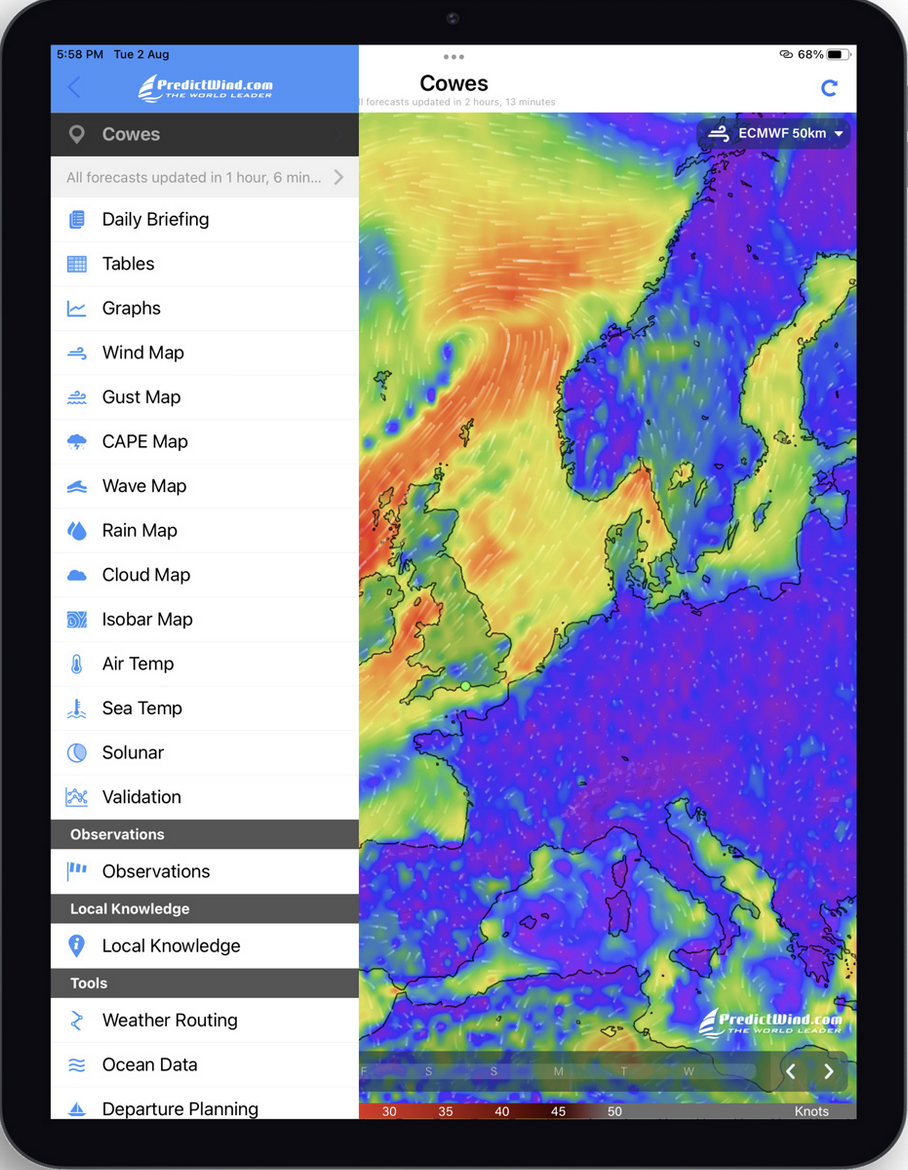
PredictWind Is Using AI to Rewrite Weather Forecasting for Sailors
Predictwind meteorologist Arnaud Monges describes the past 50 years of weather forecasting the way Gen Z might describe a dusty calculus textbook from the 1980s. “You solve the equation, and you can predict the change of pressure that leads to change of wind and all those things,” Monges says. “That was weather forecasting.” The old-school technique still works, of course, but PredictWind is now using artificial intelligence to build new forecasting methods. PredictWind G is based on the traditional American weather model, while PredictWind E is based on the European model. AI is then layered in.
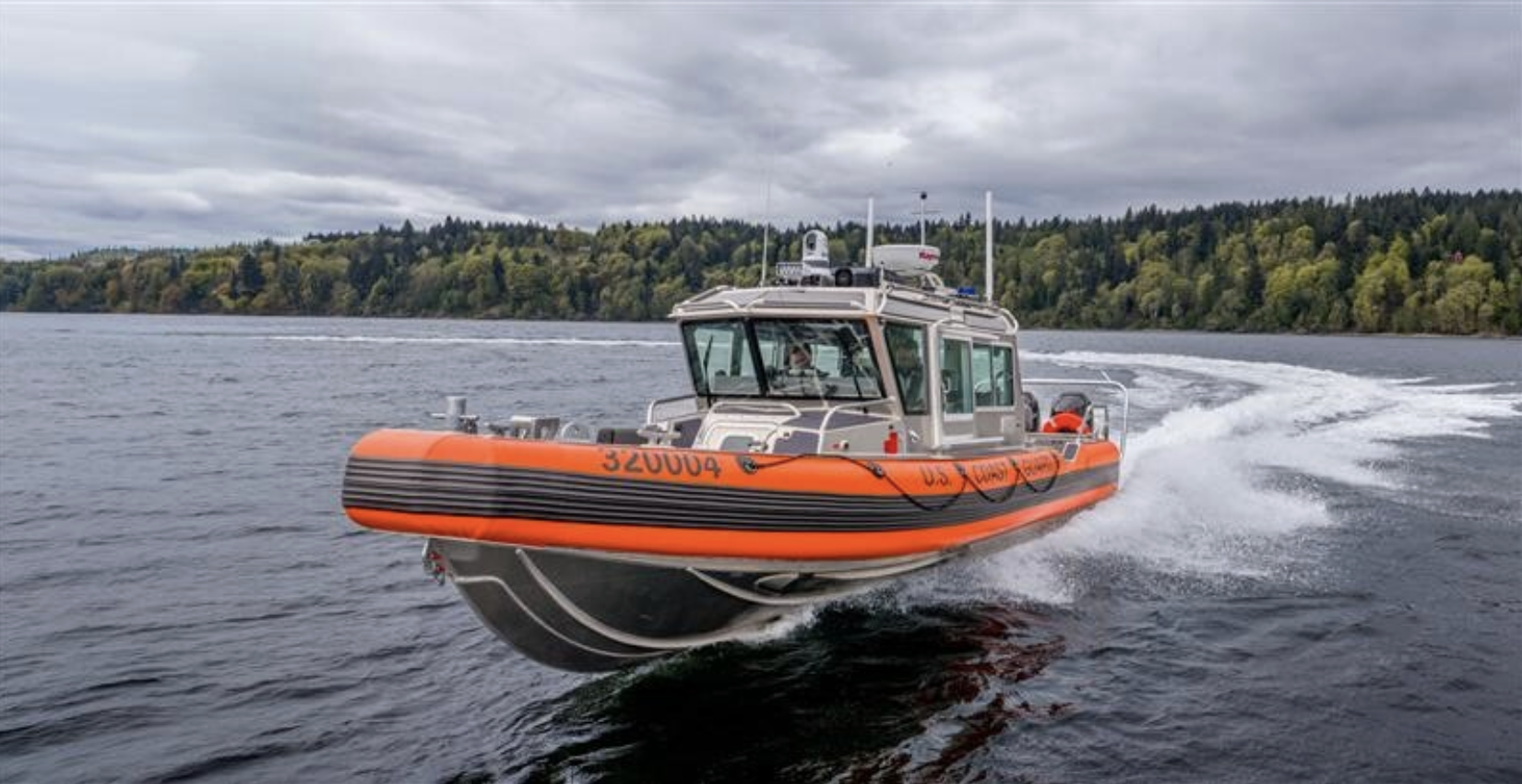
SAFE Boats delivers RB-S Demonstrator to Charleston Coast Guard
SAFE Boats International (SBI) said it has delivered its Response Boat–Small (RB-S) Demonstrator unit to the Coast Guard in Charleston, S.C., for the service's evaluation of next-generation capabilities for one of its most critical and widely deployed platforms. The 32’4.5” x 8’6” vessel has a 28-knot cruising speed/top speed of 49 knots, powered by twin 300hp V8 Mercury Verado outboard engines. “The delivery of this RB-S Demonstrator underscores SAFE Boats’ ability to move quickly, listen closely, and deliver a highly capable platform built around the realities of Coast Guard operations,” said Rob Goley, chief revenue & customer officer at SAFE Boats International.
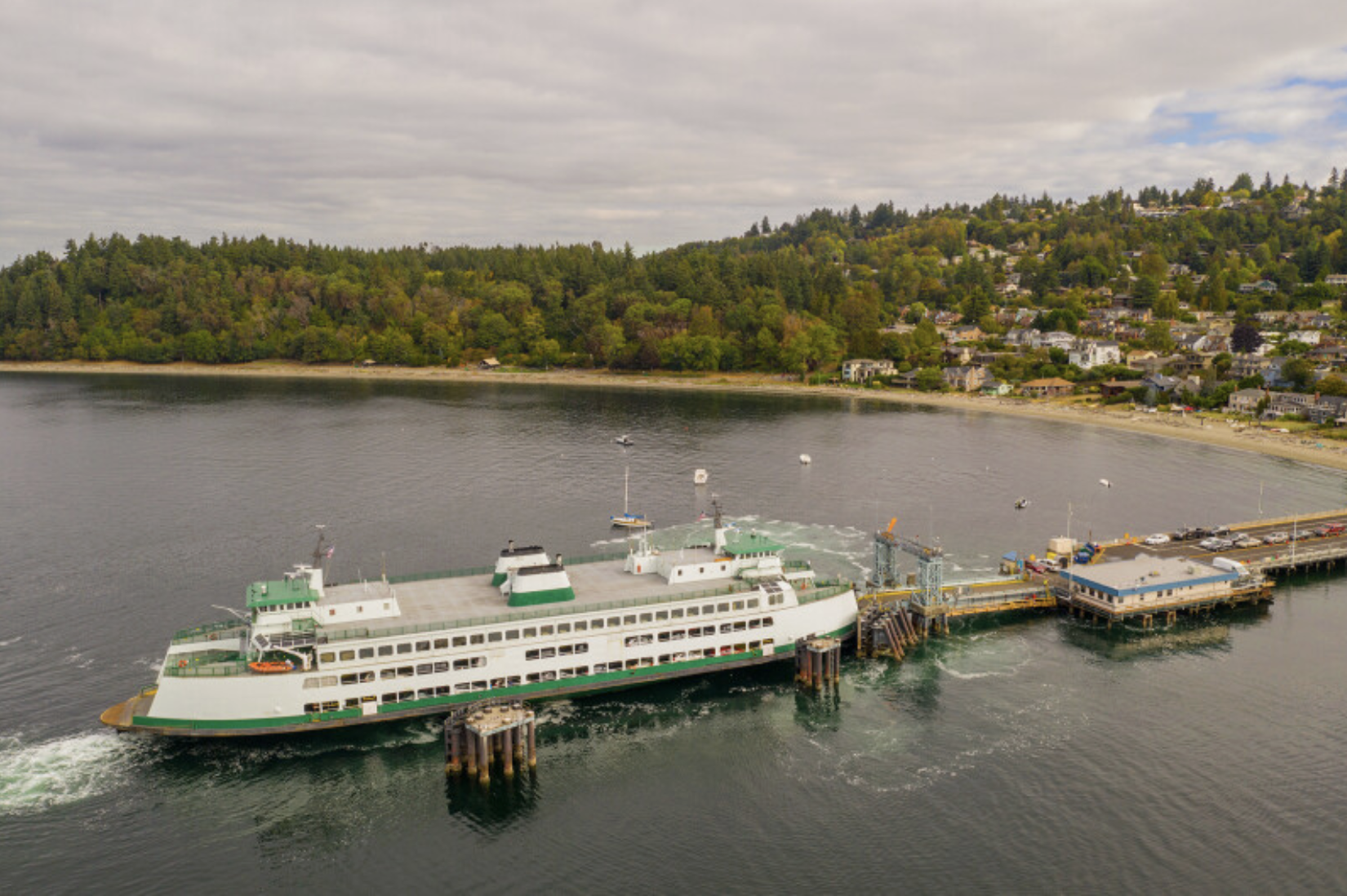
Cement supply squeeze could hinder maritime infrastructure projects
An advocacy group is raising concerns about a potential cement supply crunch in the U.S. as federally funded infrastructure projects ramp up, warning that marine and ferry construction could face increased competition for materials in the coming years. American Foundations, an initiative of Common Sense America, is urging lawmakers to expand Buy America provisions to include cement and other building materials in the upcoming Surface Transportation Authorization bill. The push follows what the group describes as a decline in domestic production paired with rising imports and a surge in construction demand.

MAC Welding & Fabrication: Building a Scalable Solution to a Distributed Workforce Need
In April 2024, a small group of workforce professionals came together around a simple question: What can we build, right now, that strategically responds to workforce demand in rural Washington? We didn’t have to look far for the answer. Welding and fabrication surfaced quickly. Not by accident - by recognition. The need is everywhere. And it cuts across sectors and regions. That’s how the Maritime, Agriculture & Natural Resource, and Construction (MAC) Welding & Fabrication Project got started. Because this isn’t just a maritime issue. It’s not just construction. It’s not just agriculture. It’s any industry where welding shows up, and the challenge is the same: Demand is high. Capacity isn’t keeping up. Access is uneven.

Expanding the Maritime Talent Pipeline
For decades, conversations about maritime workforce development have followed a familiar pattern. When employers, policymakers, and educators think about building talent pipelines, they picture coastal shipyards, deep-water ports, marine academies, and training programs located within sight of the ocean. That framework made sense for a long time. Maritime activity was most visible along the coast, and workforce infrastructure naturally developed around major ports and shipbuilding centers. As a result, the public image of the maritime industry became tightly linked to saltwater, ships, and coastal communities.
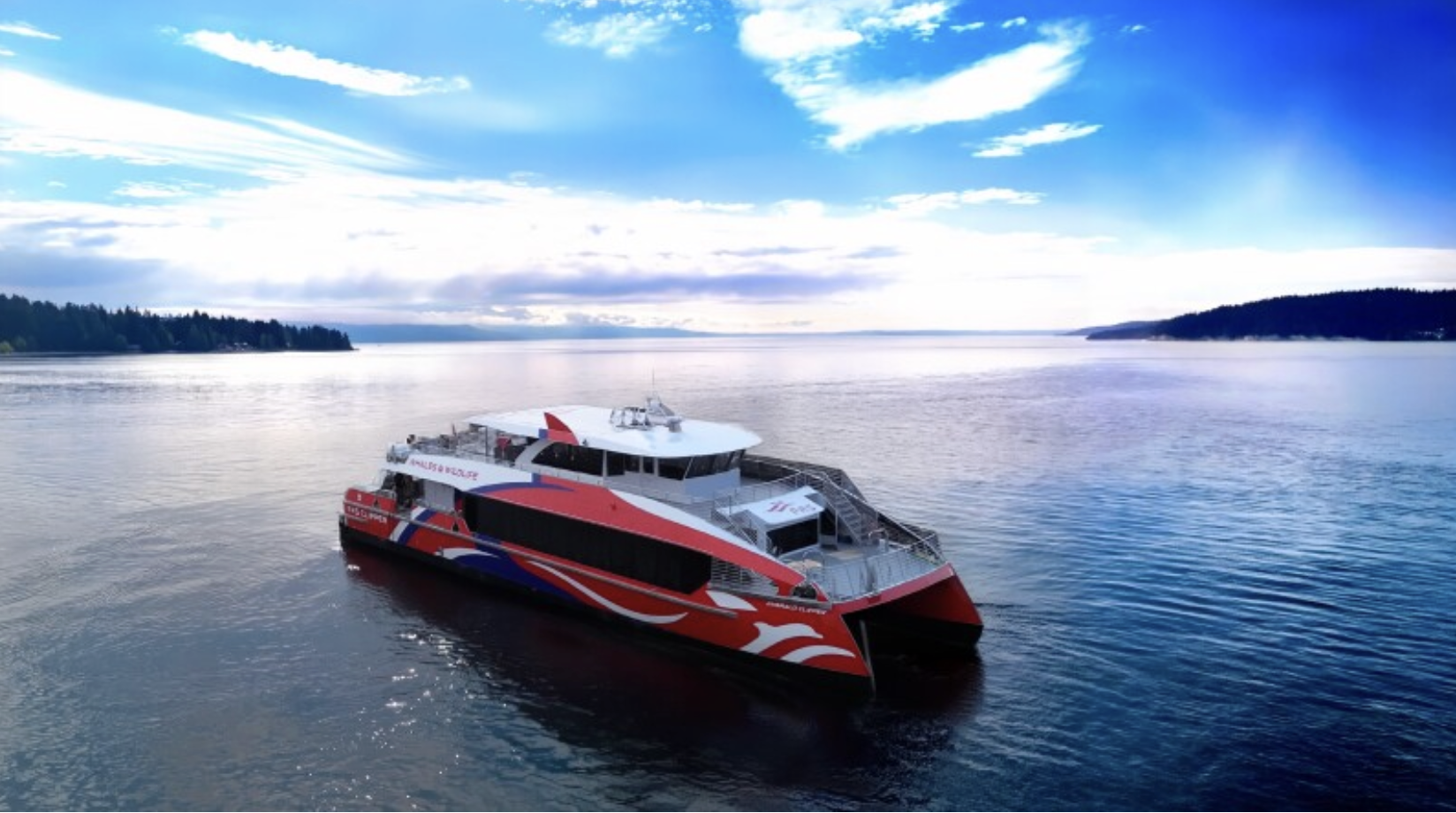
Whale-watch boat Emerald Clipper delivered
Shipbuilder Mavrik Marine Inc., La Conner, Wash., has delivered a new whale-watching boat for Pacific Northwest ferry and excursion vessel operator FRS Clipper Inc., Seattle. The boat was christened during an April 16 ceremony. Designed by One2Three Naval Architects, Sydney, the 103.4'x32' high-speed aluminum catamaran, the Emerald Clipper, is a USCG Subchapter T vessel with capacity for 150 passengers plus a crew of four to eight. It is powered by quad Scania DI16-082M Tier 3 diesels, each producing 800 hp at 2,100 rpm. The engines power HamiltonJet HTX42 waterjets through ZF 655 SC gearboxes. The boat cruises at 32 knots, and it will have a range of 340 nautical miles — enough to reach the full length of Puget Sound and the Juan de Fuca Strait.
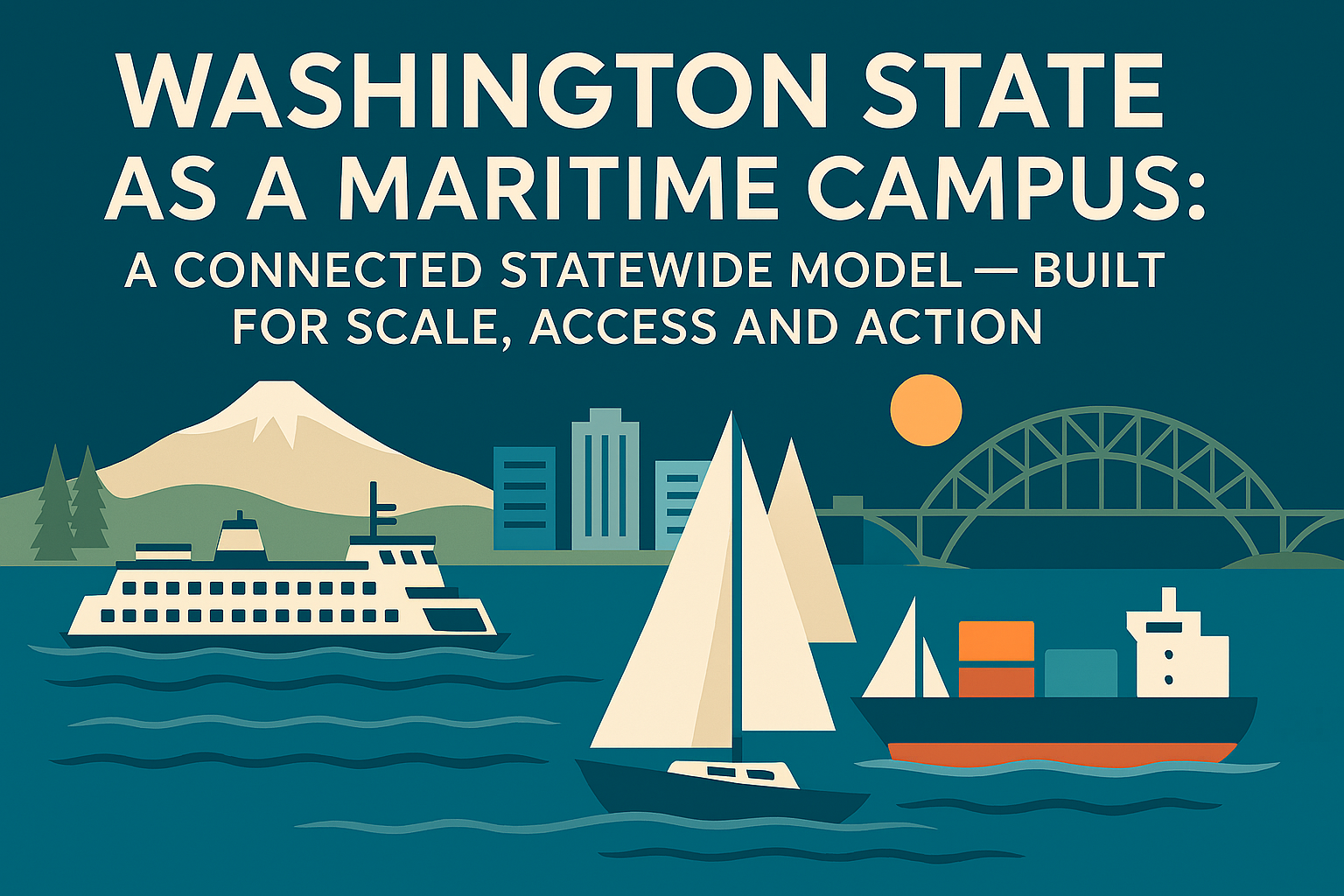
Washington State as a Maritime Campus: A Connected Statewide Model – Built for Scale, Access, and Action
Over the past couple of years, I’ve spent a lot of time talking with colleagues across industry, ports, education, economic and workforce development, and community organizations around a simple idea: What if we started thinking about Washington not as a collection of separate maritime efforts - but as a connected statewide campus? Not a new institution. Not a new bureaucracy. And not a restructuring of the work already underway. Just a better way to see, and connect, what already exists. At its core, this is straightforward. If we’re serious about expanding awareness, access, and workforce opportunity across Washington, we have to move beyond isolated programs and operate as a working network across the state. The assets are already here. The opportunity is to leverage them – intentionally.
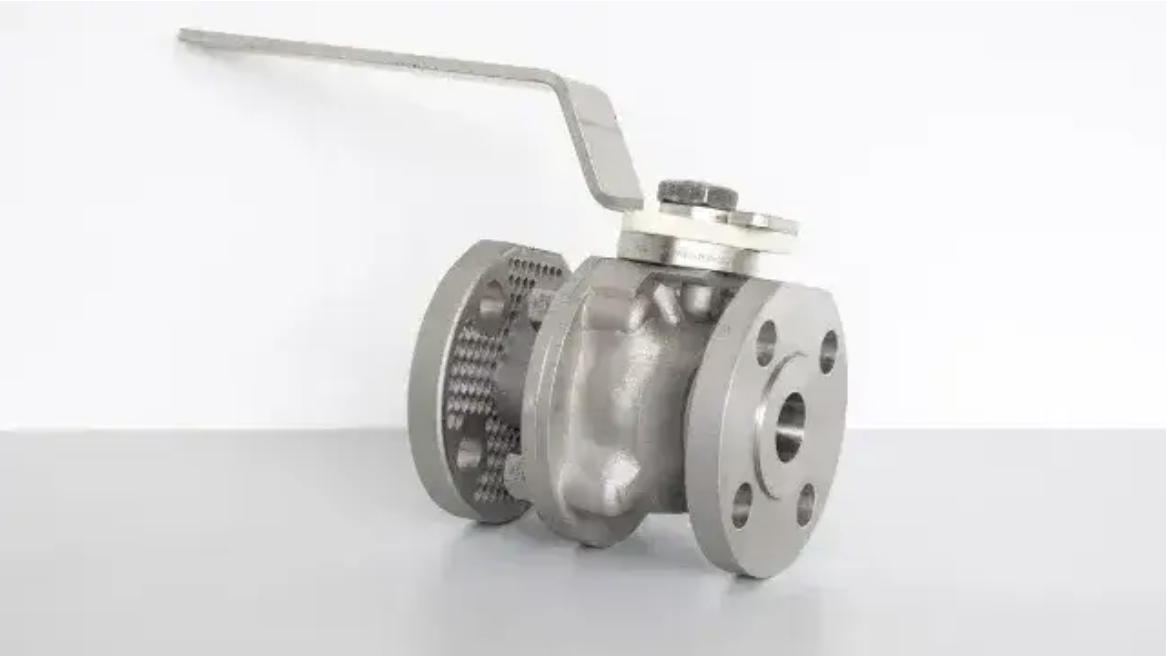
On-Demand Manufacturing: A New Direction for Marine & Energy Parts Sourcing
For decades, global supply chains operated with predictable lead times and stable delivery expectations. End users ordered parts from OEMs, who built and delivered them within an agreed timeframe. Over the past decade, marked by COVID-19 disruption and rising geopolitical tension, the fragility of traditional supply chains has been exposed. Under increasing pressure from end users, OEMs are now being forced to consider alternative production models. In the maritime and energy sectors assets are built to last, with many now exceeding 20 years of age. Continuing safe and efficient operation often relies on the availability of legacy parts which may be difficult to source as OEMs discontinue production in favour of newer components.
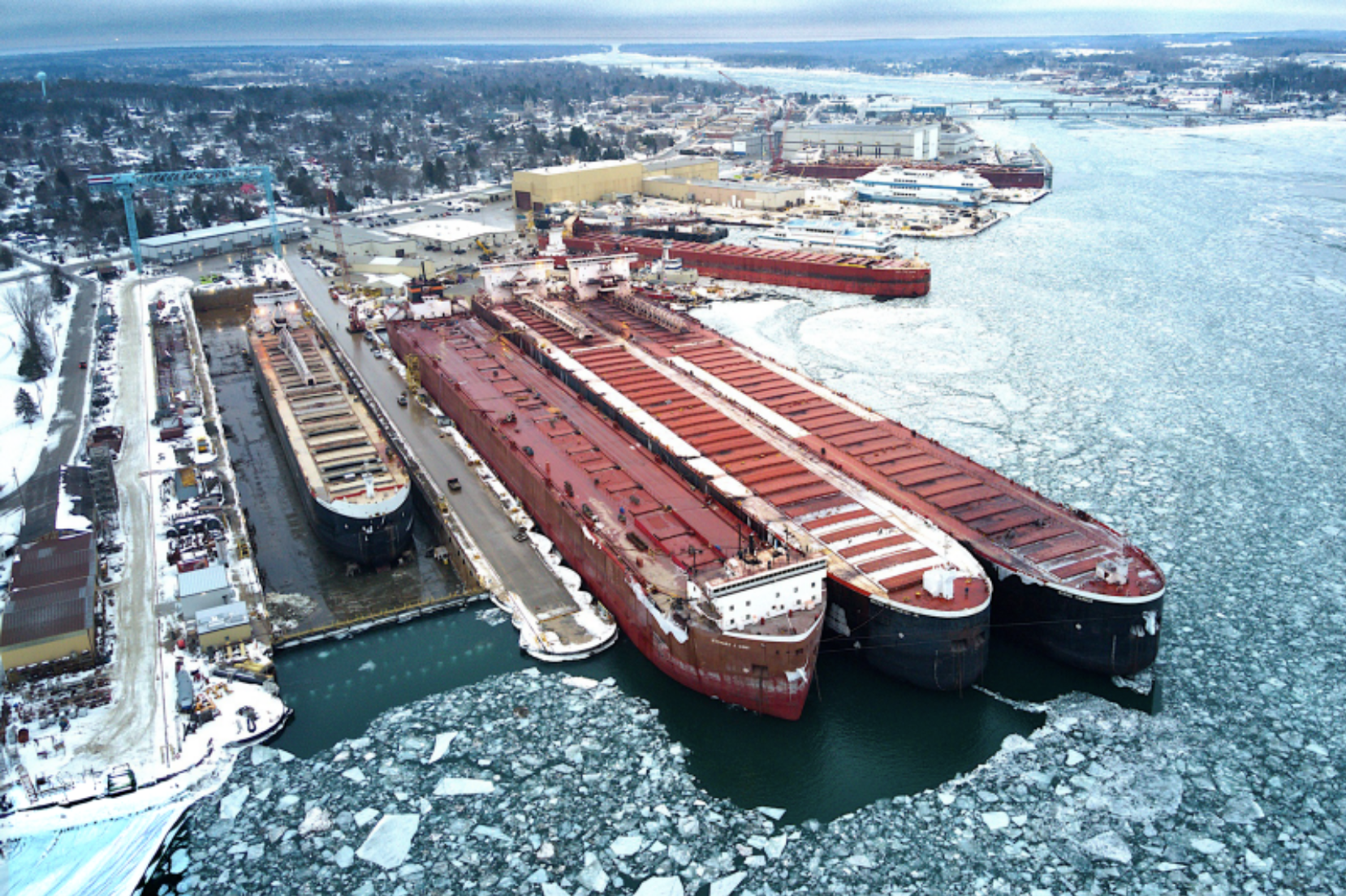
Great Lakes shipyards form alliance to pursue Coast Guard icebreaker contract
A group of Great Lakes shipyards has announced a collaborative alliance aimed at competing for Coast Guard work and expanding domestic shipbuilding capacity in the region. Fincantieri Marine Group, Washington, D.C. — which operates Fincantieri Marinette Marine, Marinette, Wis., Fincantieri Bay Shipbuilding, Sturgeon Bay, Wis., and Fincantieri ACE Marine, Green Bay, Wis., — announced Thursday that it is partnering with Fraser Shipyards LLC, Superior, Wis., and Donjon Marine Co., Erie, Pa., to establish a collaborative framework to bring new shipbuilding programs and technology to the "Fourth Coast."The alliance's immediate focus is a contract to build a series of new Homeland Security Cutter - Light icebreakers for the Coast Guard, the partners said.
MARAD invests $13.2M in U.S. Marine Highway projects
The U.S. Department of Transportation’s Maritime Administration (MARAD) said Friday that it has invested $13,280,351 million in 11 marine highway projects across seven states through the U.S. Marine Highway Program. The funding will support public and private partners in developing supply chains on marine highway routes—including the transportation of waste in Oregon and the improvement of barge docks in Pennsylvania—to ensure resiliency. “Investing in marine highways will strengthen the Great Lakes economy and other regional communities,” said U.S. Transportation Secretary Sean P. Duffy. “We’ll deliver jobs, boost provide a boost for local industries, and strengthen infrastructure our economy relies on.”
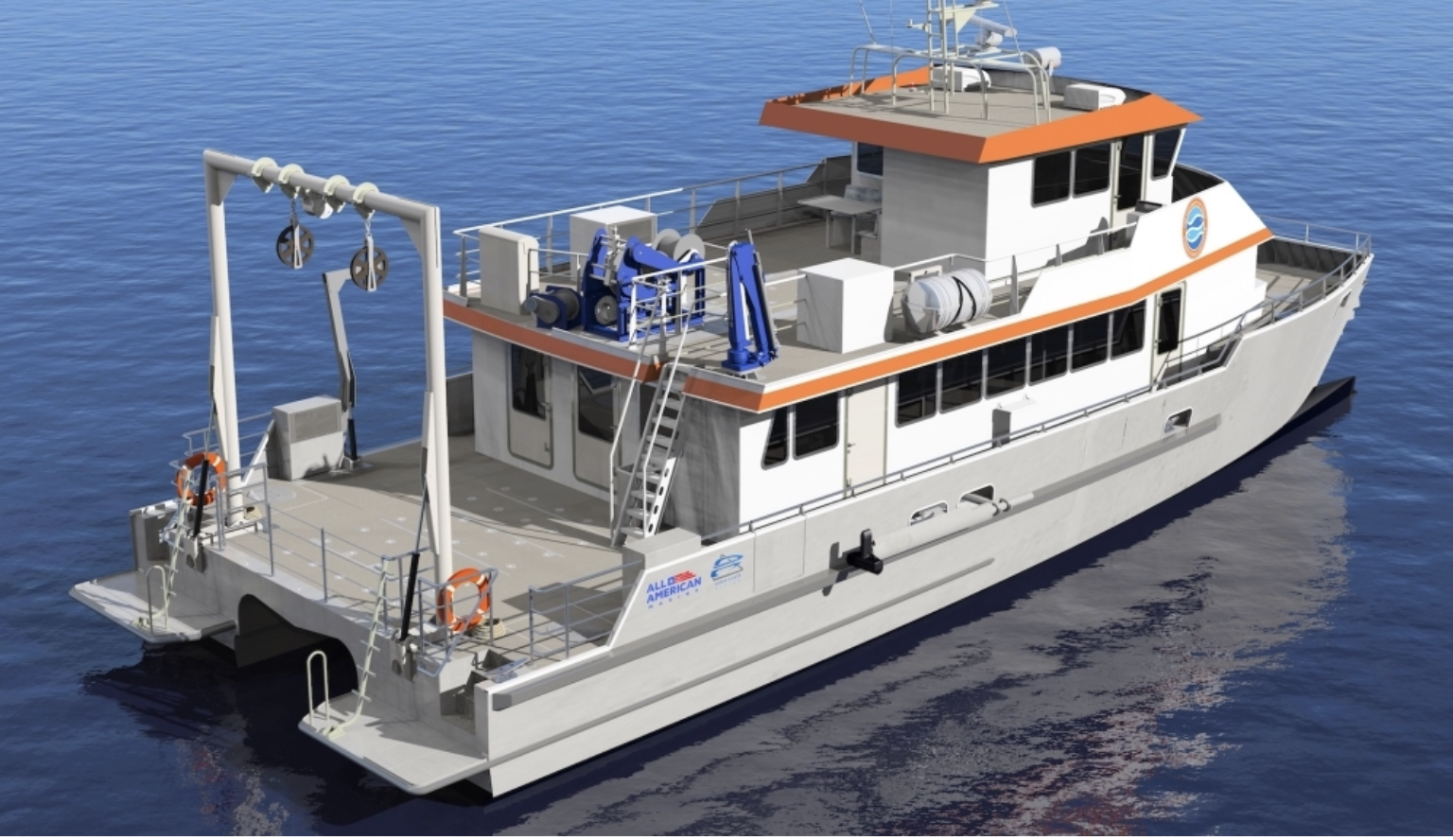
All American building research cat for Texas science institute
(BELLINGHAM, Wash.) —All American Marine has begun construction on a 78-by-26-foot aluminum catamaran research vessel for the University of Texas Marine Science Institute (UTMSI). The vessel is being built on Teknicraft Design’s proven multi-purpose research platform and is designed to support scientific research, survey, and teaching missions throughout the Gulf of Mexico, including offshore operations up to 150 nautical miles from shore. Purpose-built for multi-mission flexibility, the twin-engine, propeller-driven vessel will support a broad range of scientific operations including coastal and offshore ecology research, seismic surveys, gravity coring, water chemistry analysis, fisheries surveys, and undergraduate and graduate instruction. The platform integrates an adjustable hydrofoil system, modular deck equipment, and dedicated wet and dry laboratory spaces to accommodate evolving research requirements across diverse operating profiles.
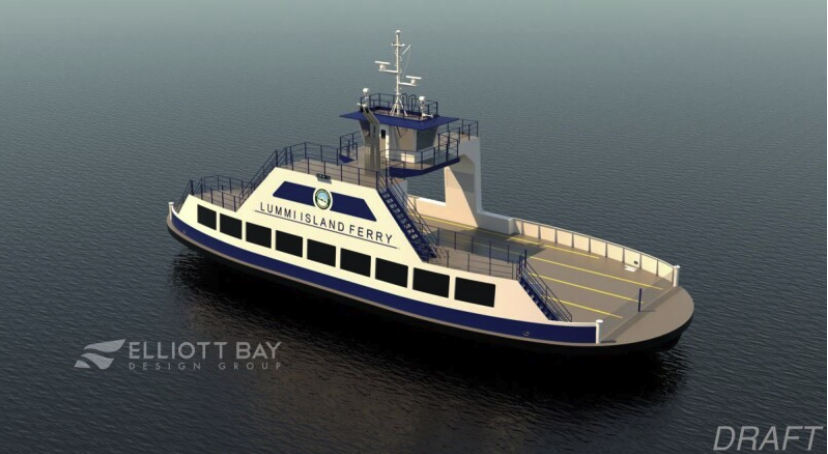
Whatcom County seeks propulsion system integrator for Lummi Island ferry
Whatcom County Public Works (WCPW), Bellingham, Wash., has issued a request for proposals (RFP) for a propulsion system integrator to support the design and construction of a new vehicle ferry serving the Lummi Island route in Washington state. The solicitation, released March 16, outlines requirements for a diesel-electric hybrid propulsion package incorporating lithium-ion battery storage, with the selected providerexpected to work closely with naval architect Elliott Bay Design Group, Seattle, during the contract design phase and through vessel delivery. The new ferry is intended to operate on a short, repetitive 0.8-nm route between Lummi Island and Gooseberry Point, completing up to 30 round trips per weekday and approximately 9,360 annually.